
The Victory Vase - Created in 1941
by A.E. Mitchell
Andrew and Jennie Mitchell attended Biola University early in their marriage according to Jennie's biography Jennie and the Song of the Meadowlark. Fast forward over 100 years later, and Biola is honoring A.E. Mitchell's artistry and ministry by accepting the "Victory Vase" as an addition to its collection of outdoor sacred art. The Biola library in La Mirada, CA, is home to his archives as well.
The 2018 rescue of the Victory Vase, created by Andrew in 1941 saved it from destruction by a new development on the former family property (video of the rescue below). The Vase was moved to Biola after Mitchell family and friends donated funds for the excavation and transport. Students and visitors to the campus will read the inscription on Andrew’s plaque at the base of the Victory Vase and learn why it was dedicated to the Merritt Family, specifically, Andrus Merritt, one of the
“7 Iron Men” of the Mesabi Range in Minnesota.
Fundraising to install the
Victory Vase at Biola is currently underway!
Status as of 3/31/26: approx. $24k is needed.
Corporate or individual sponsors giving $500+ will be noted on a plaque near the site.
Give for a tax receipt at
https://giving.biola.edu/how-give
Under “Designation” choose “Other” in the drop down menu and type “Victory Vase Project”.
Contact us with questions.
Thank you!
The campus art walk will feature the Victory Vase on the route.
It will be the oldest sculpture on campus, and will be placed outside the Talbot School of Theology building, Myers Hall. Louis T. Talbot, former Mitchell family pastor and former President of Biola, was a friend of the Mitchells.
The Victory Vase features local stones from around Los Angeles, and stones from mission fields all over the world. A.E. and Jennie Mitchell’s children were missionaries and there is video of local people bringing their offering to church with a stone for the Mitchell family compound in Echo Park, Los Angeles. Some of these stones were used in the vase and many were used in the unique structures on the property. There is a lily shape on each side of the vase, and
a plaque about Andrus Merritt and his family at the base.
Listen to the story of the vase recording by daughter Esther Mitchell Russell.
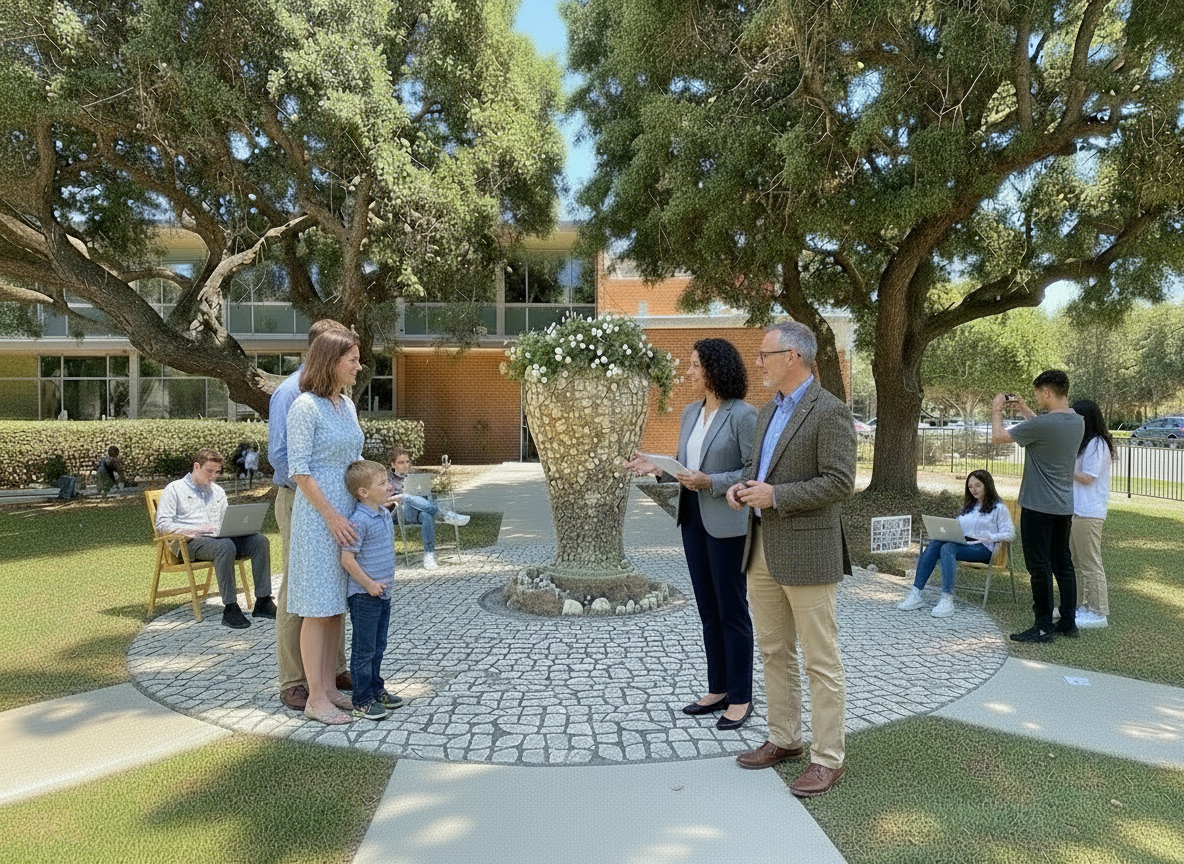
See the story of the Victory Vase and photos through the years below. Rendering of the Victory Vase at Biola at left.
The Mitchell Family and Biola historical section is below, including the story of the “Powerhouse Five.”
“Thank you for the job that was thought impossible…If it is possible, Andrew and Jennie must be smiling to see the Victory Vase in safe hands. May its message live on as a testimony of God's saving grace.”
- Wayne Warner, A.E. Mitchell’s grandson-in-law, 1933-2024
The Story of the
Victory Vase


A.E. Mitchell finished the Victory Vase in 1941 and placed a unique plaque at the base that tells Andrus Merritt’s story…his only plaque that tells a story about true events (photo in the gallery below).
We are planning an installation for 2026 at Biola University through generous donations from family, friends, and organizations.
For more information about Biola’s artwalk tours, call Biola at 562-944-0351.
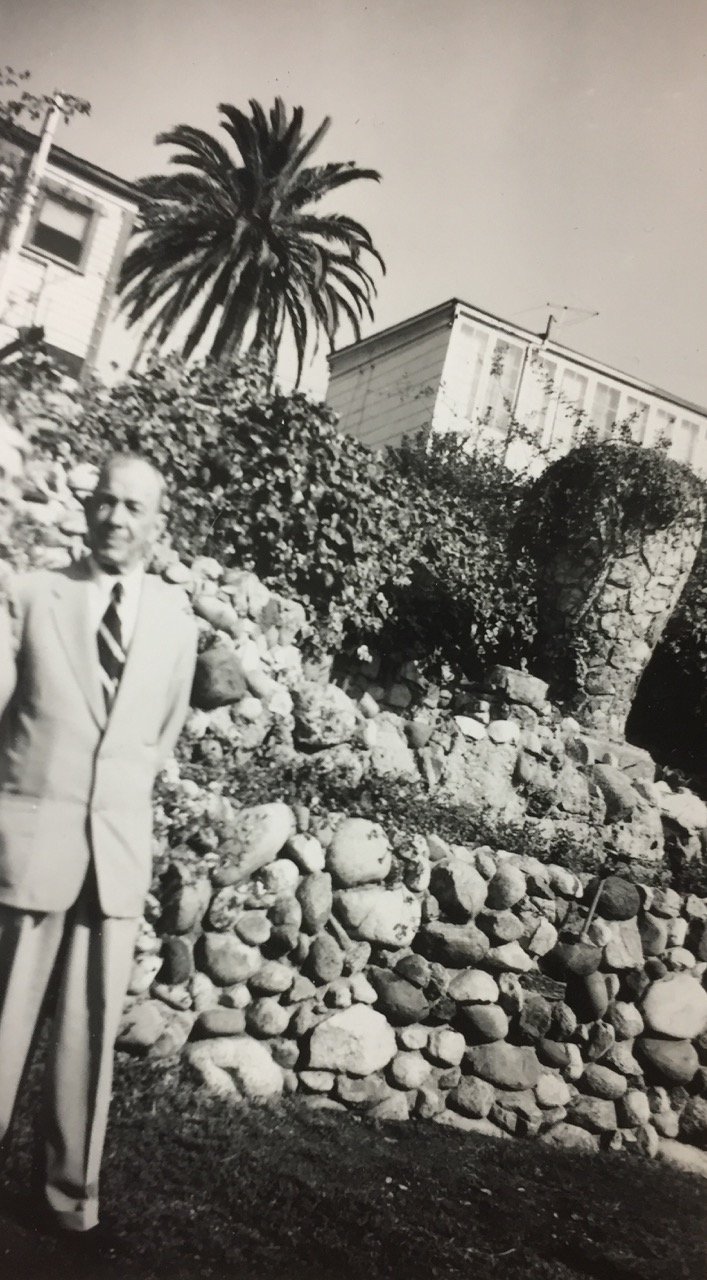
The Victory Vase being lifted up by crane in preparation for the move to Biola, 2018.
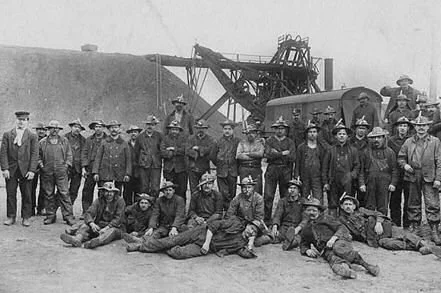
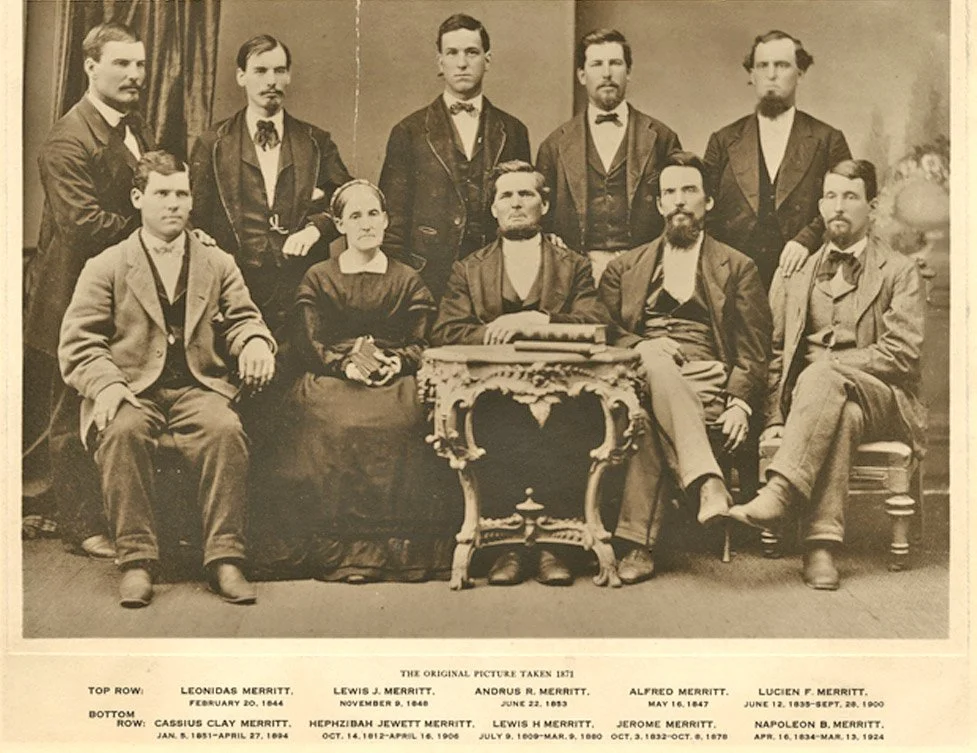
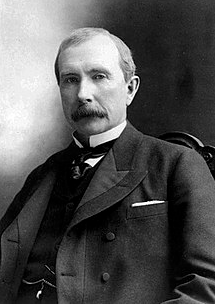
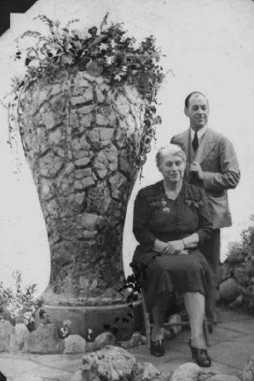
The Merritt Family Representative A. O. Stanley of Kentucky said “The people of Minnesota regarded these men [the Merritts], in a way, as we regard [Daniel] Boone in Kentucky, and as they regard [Gen. Sam] Houston in Texas, with gratitude, with reverence.”
Minnesota Public Radio Article
”In the late 1880s, three brothers from Duluth set out to prove a rumor that the Mesabi district in northern Minnesota was rich with iron ore. In just a few months, the Merritt brothers discovered the tip of what turned out to be the most valuable ore deposit in the United States. Instead of getting rich, the brothers lost all their money, and surrendered every one of their valuable iron mines to an eastern oil tycoon named John D. Rockefeller.”
Minnesota Historical Society Paper
Andrus Merritt, one of the 7 Iron Men of the Mesabi Range in Minnesota, moved to California with his wife Jesse in the 1920s and met artist A.E. Mitchell, and his wife Jennie Mitchell at church. The Mitchells were teaching a Sunday School class, which turned into a missions organization in 1932, Go-Ye Fellowship, still in operation today, and named GlobalGrace.
Andrus was invited to be on the Board of Go-Ye Fellowship, and Andrew Mitchell was quite taken with the story of his life. Andrus wrote a manuscript about his family’s discovery of a huge iron ore natural resource in Minnesota. They built several mines, and a railroad, which led to the largest ore docks in the world. However, an economic downturn forced the family to seek loans from John D. Rockefeller, and when they could not meet their financial obligations, they lost the operation to Mr. Rockefeller.
Andrus tells the story in his riveting manuscript about traveling to New York City to face Mr. Rockefeller in court, but before the trial date, he visited the Salvation Army Chapel in the Bowery to pray. The scene he paints of kneeling at the altar in prayer with the down and out of the city, when he is soon meeting with one of the richest men in the world is truly incredible. Andrus and his family were people of faith, and they depended on their faith to get them through a very difficult financial situation where they lost untold millions.
Andrew felt that Andrus had the “Victory” in his faith in Jesus, thus the name, The Victory Vase. The interesting pattern on the surface of the vase was created by hand-applied rocks, white, beige, and between the crevices, tiny multicolored rocks.
It is a marvel that the handmade vase is perfectly symmetrical. Andrew anchored it in the ground with cement and a metal pipe very securely, and it took several hours to extract it by stone masons and a several ton crane.
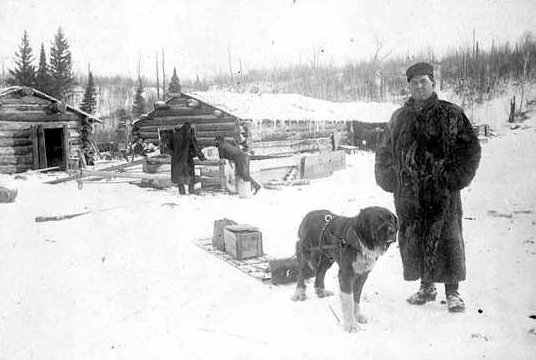
Frank Higgins’ life was portrayed in a Hollywood movie, but the setting was changed to a mining town. https://www.mnopedia.org/person/higgins-francis-frank-e-1865-1915

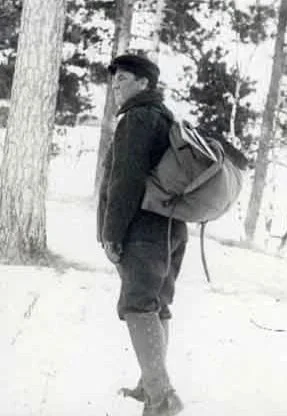
Who is Frank E. Higgins?
An interesting full-circle story is that of Frank E. Higgins. Frank was a friend of Andrus Merritt’s and was attending a theological seminary in Minnesota, Originally from Canada, he wanted to become a minister of the Gospel, but the directors of the seminary in Minnesota felt he was not cut out to be a pastor.
Discouraged and disenchanted, he was encouraged over the span of several hours one night by Andrus Merritt, according to Andrus’ unpublished autobiography. Andrus led Frank to understand that he should not ignore the Lord’s calling on his life. Frank prayed with Andrus and sought the Lord, and decided to spread the Gospel on his own terms.
Frank became well-known in the newspapers and magazines of the day as Frank Higgins, “sky-pilot” to lumberjacks. He took a snow sled into the deep woods of Minnesota with packs of Bibles on his shoulders and sled, and preached to the men there.
He trained many men to do the same, and soon there was a network of evangelists in lumber camps all over the U.S. The scope of his ministry reached thousands upon thousands of people for the Lord.
This story in Andrus’ autobiography, no doubt, was read by Andrew. Andrew would have known about fellow Canadian Frank Higgins when he decided to travel to mining towns and minister to miners in Colorado. His role model in this evangelistic method was mentored by his new friend Andrus Merritt.
The Victory Vase in photos through the years…

The Victory Vase in 1964 - Photo by Wayne Warner, husband of Joy Mitchell Warner, granddaughter of A.E. Mitchell. This was taken at the time of A.E. Mitchell's death in 1964. (colorized)
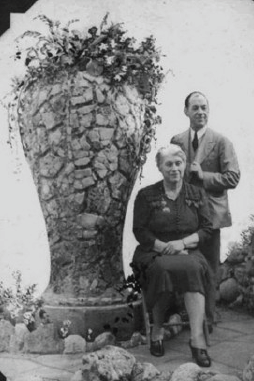
A.E. and Jennie Mitchell most likely at the dedication of the vase in 1941
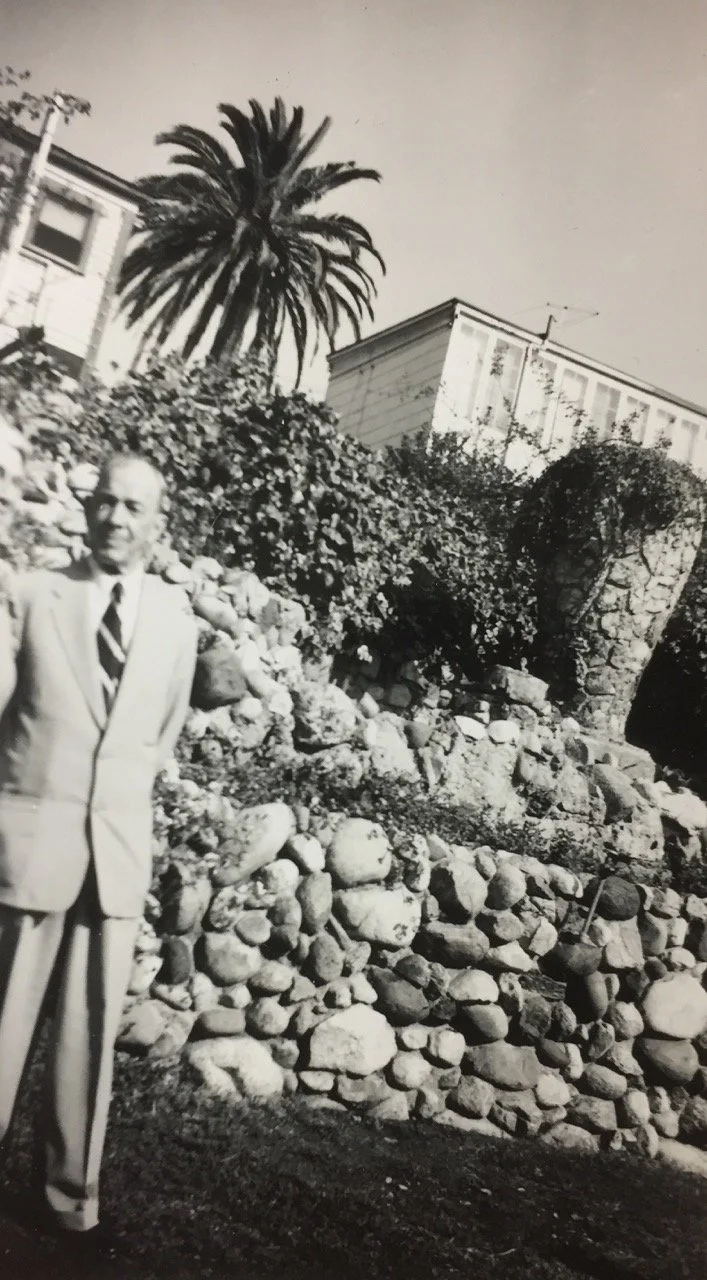
A.E. Mitchell with the Victory Vase in the 1950s

Calendar featuring the vase, 1942

Calendar featuring the vase, 1942

A.E. Mitchell's brother Loren Mitchell and wife Kizzie, possibly at the dedication in 1941
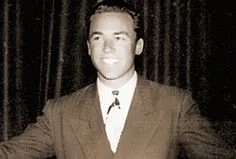
Chuck Smith prayed in the Go-Ye Prayer Garden where the Victory Vase stood while attending LIFE Bible College. A.E. and Jennie Mitchell mentored him and many other students through the years.
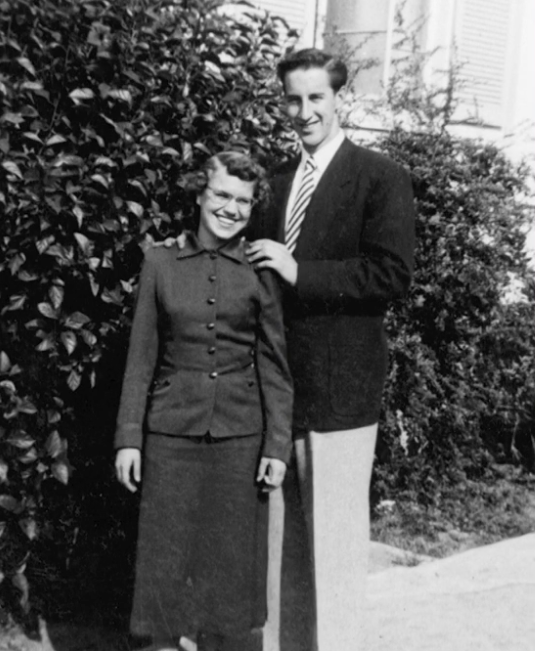
Jack Hayford prayed in the Go-Ye Prayer Garden where the Victory Vase stood while attending LIFE Bible College. A.E. and Jennie Mitchell mentored him and many other students through the years, and Hubert Mitchell, their son, was very involved with Church on the Way in his later years.
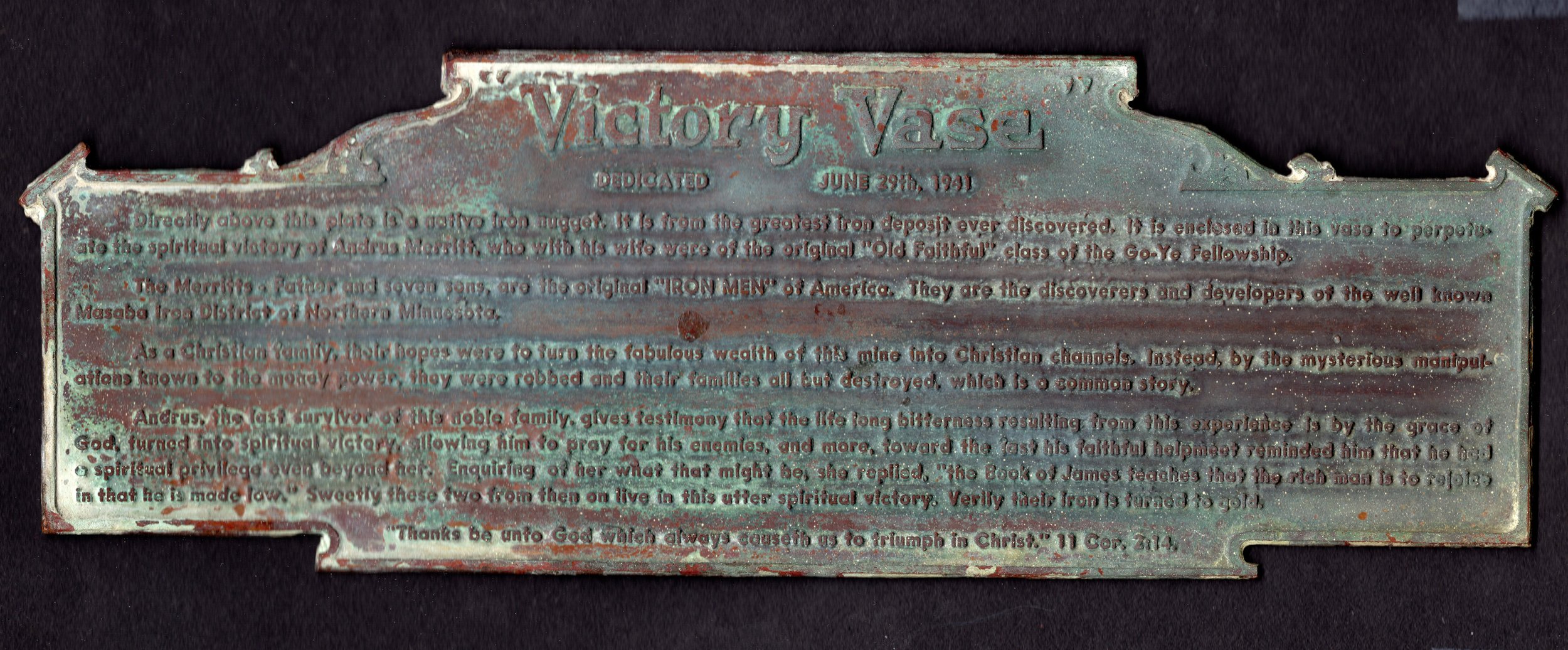
The original Victory Vase brass plaque. It tells the story of the Merritt family, and in particular, his friend Andrus Merritt, who had the Victory in Jesus, even through adversity. Read the story of the Merritts by clicking this photo, and read what the plaque says on the next image in this gallery.
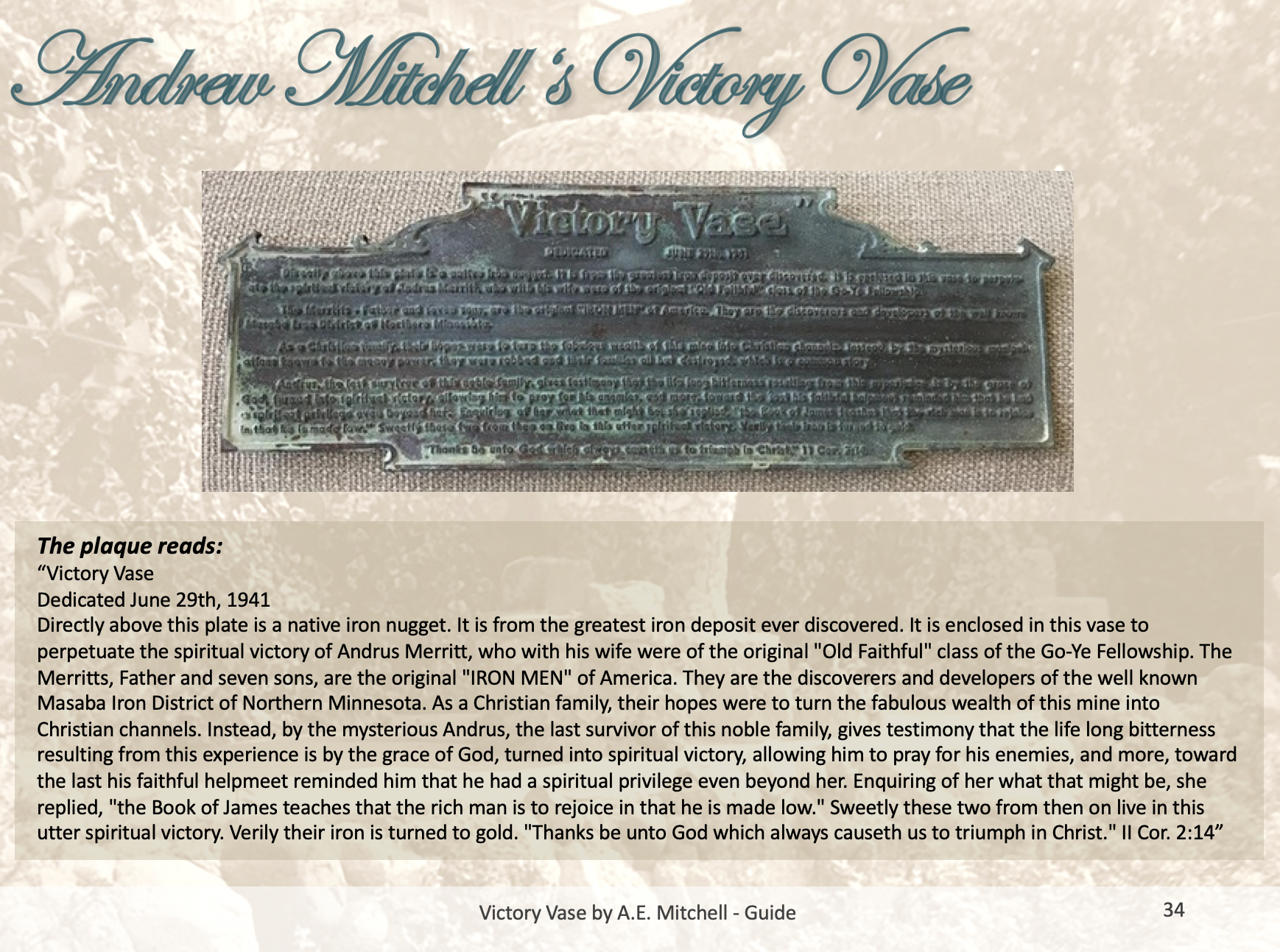
The original Victory Vase brass plaque with the wording on the plaque about Andrus Merritt and his family, for who the vase is dedicated.
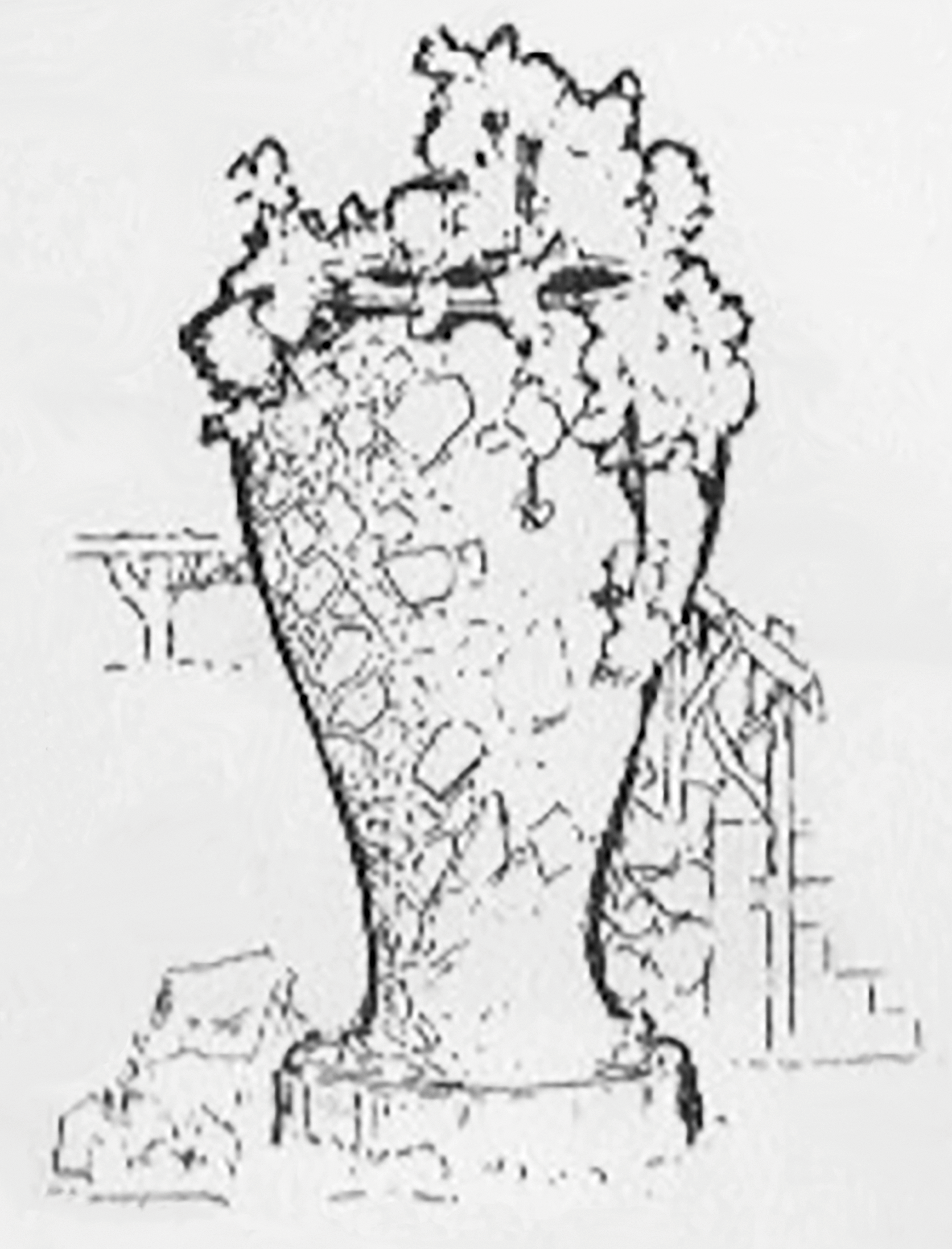
A.E. Mitchell's drawing of the vase for a publication
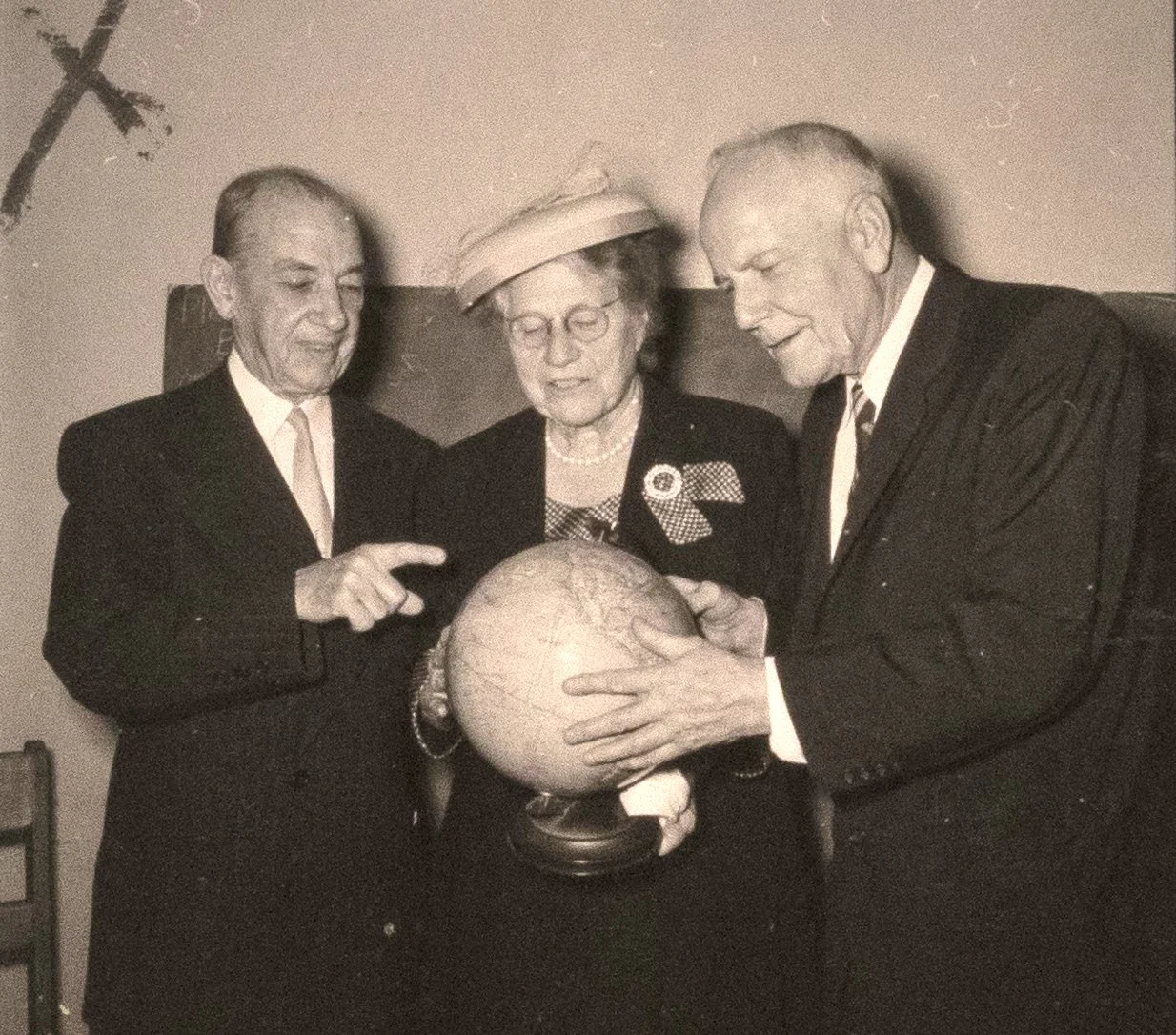
A.E. and Jennie Mitchell with Dr. Louis T. Talbot. Photos were taken of them for a LA Times article. Many family members have been connected to Biola throughout its history.
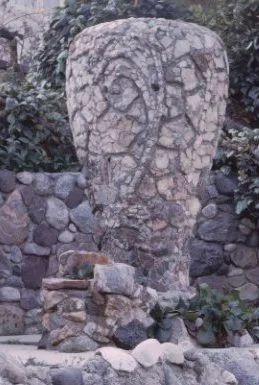
A closer photo of the vase from 1964

Photo of the vase in the foreground and the Mitchell home at 1307 Waterloo St. in the background
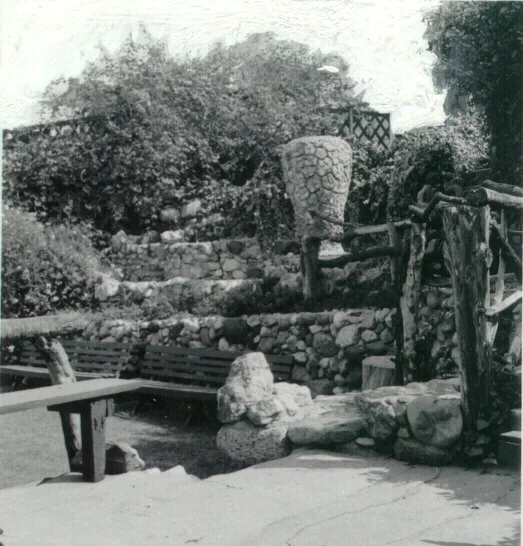
Another Victory Vase photo, mid century timeframe
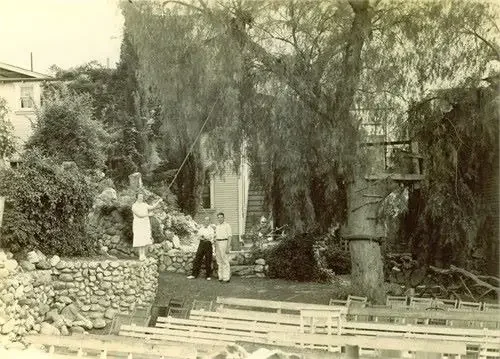
The Victory Vase stood just to the left of this well-loved pepper tree on the family compound. Andrew and Jennie's daughter Marietta is getting ready to swing on the swing as Andrew and Bryant stand nearby. Notice the pews for the outdoor Go-Ye Fellowship services. The vase stood on the platform where well-known speakers like Corrie ten Boom, Louis Zamporini, Dick Hillis, Jack Wyrtzen spoke. Jack Hayford and Chuck Smith attended services, prayed and were mentored by the Mitchells in this garden during college.
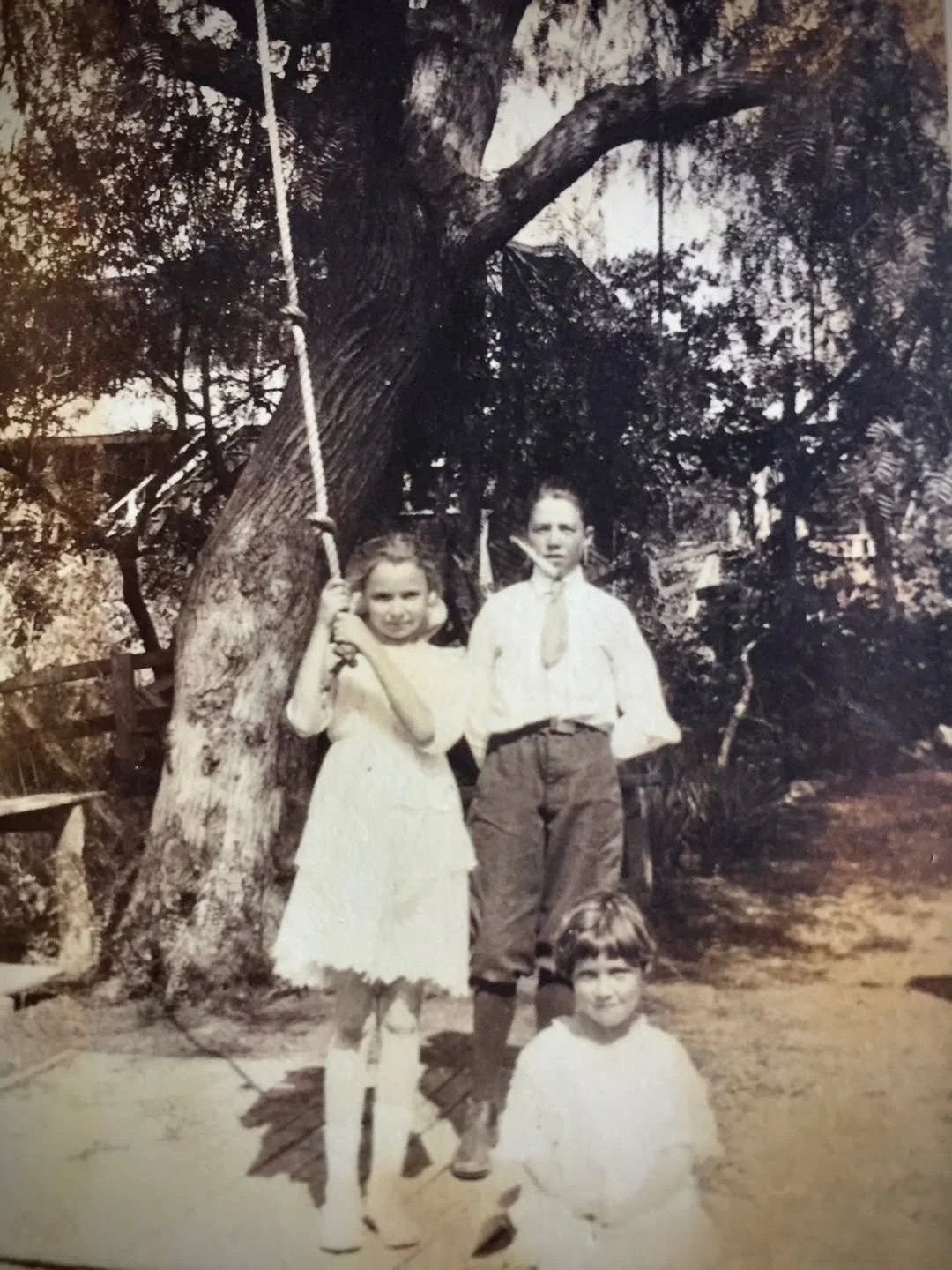
A.E. Mitchell's children Hubert, Helen and Jean in the early 1920s at the pepper tree swing near where the Victory Vase stood later starting in 1941. There are two large pepper trees where the Victory Vase will be installed at Biola.
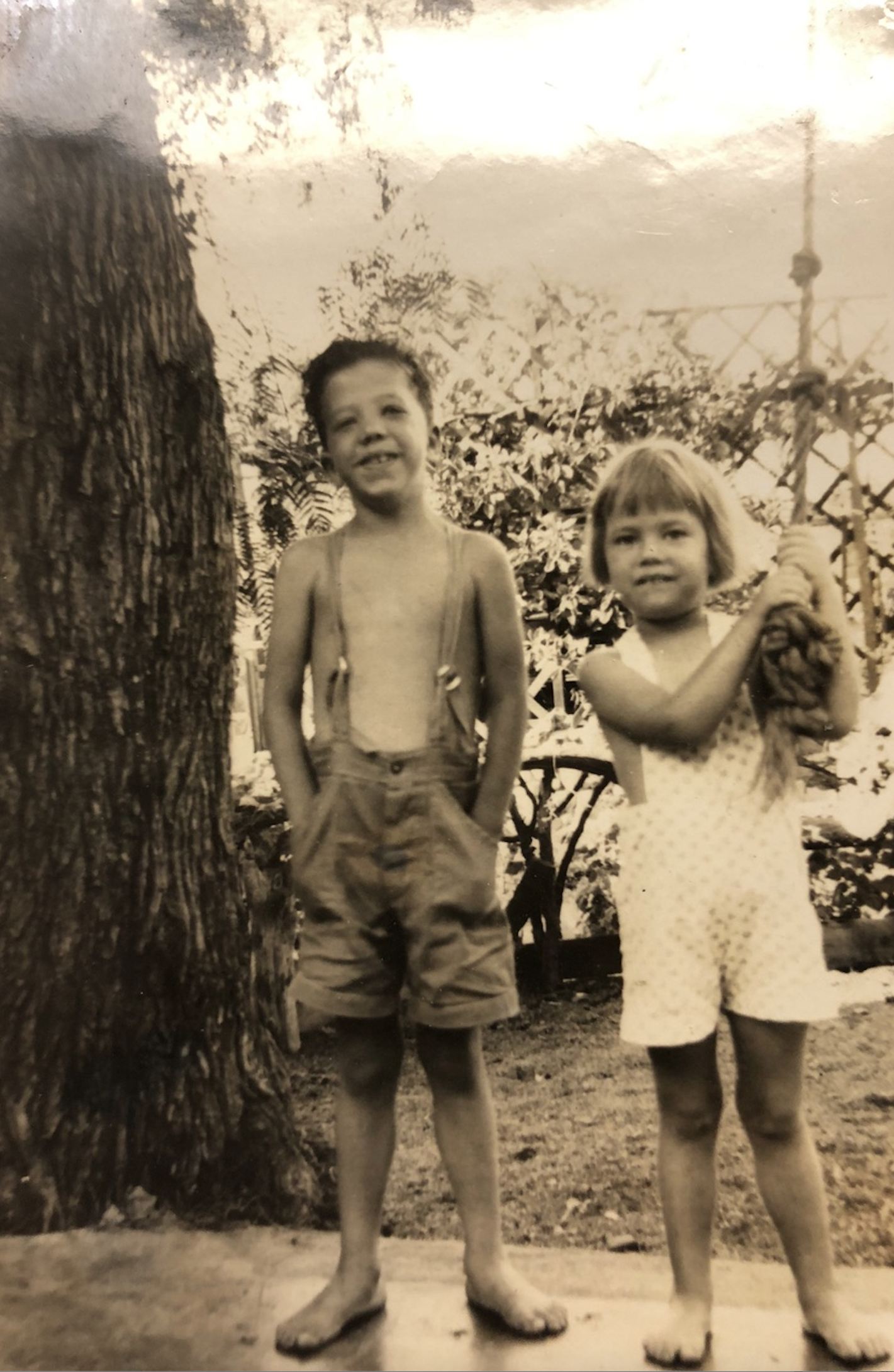
A.E. Mitchell grandchildren Daniel and Jean Marie (Hubert's children) getting ready to swing from the pepper tree. See previous photo descriptions.
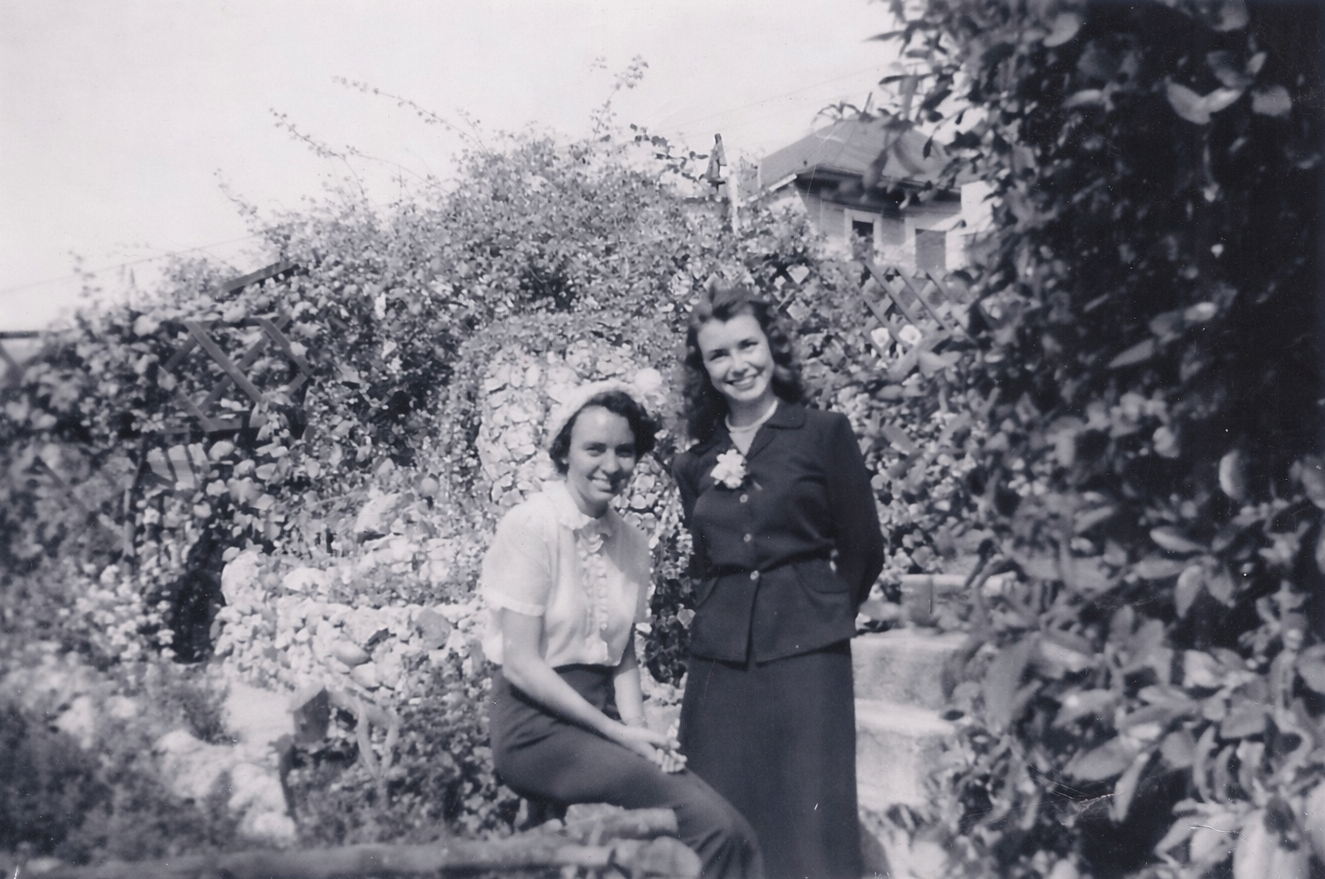
Granddaughter of A.E. Mitchell, Avonna Lee Mitchell, and friend in the Go-Ye Fellowship prayer garden with the Victory Vase in the background, 1942
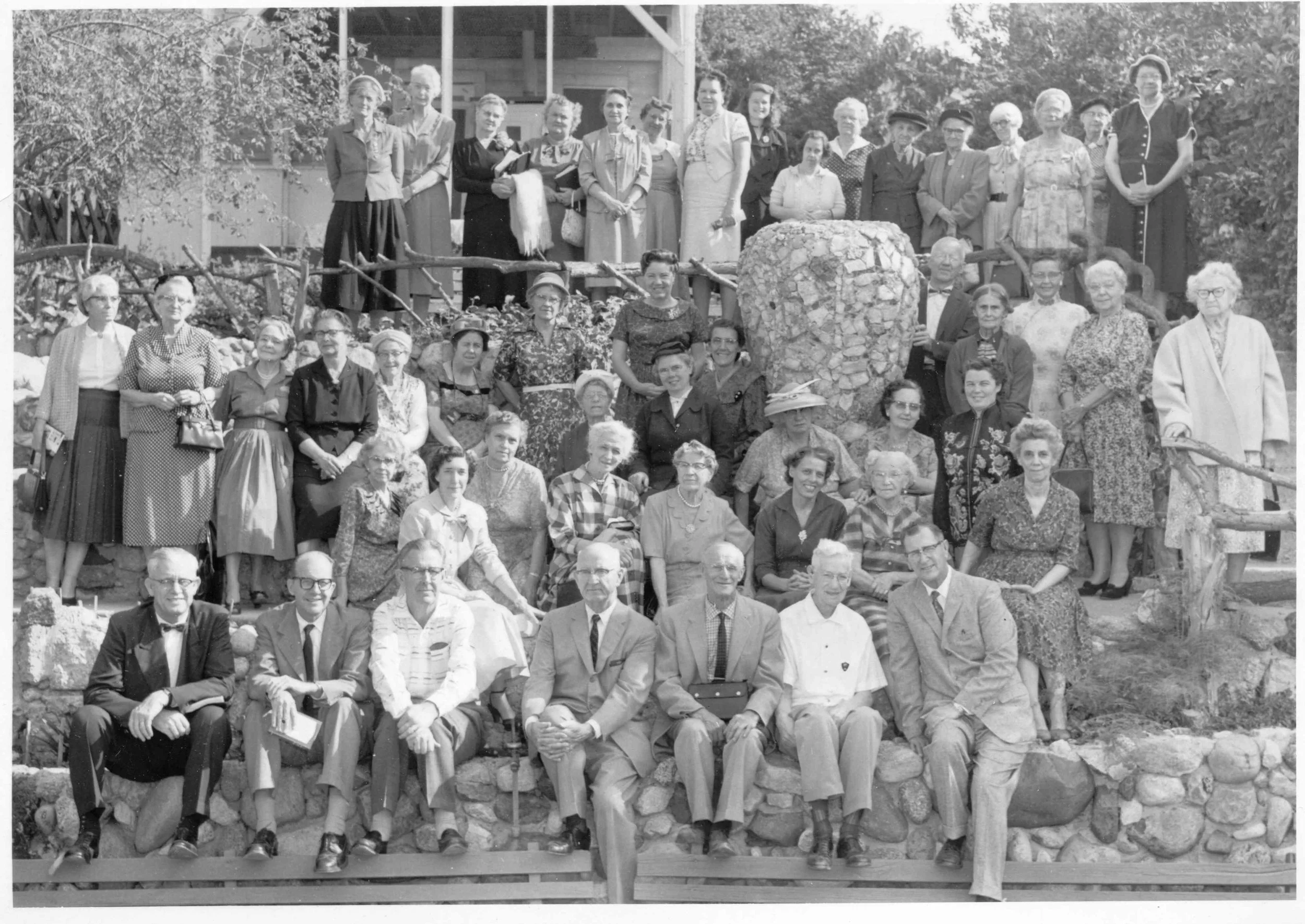
The Go-Ye Fellowship members surrounding the vase in the 1950s.
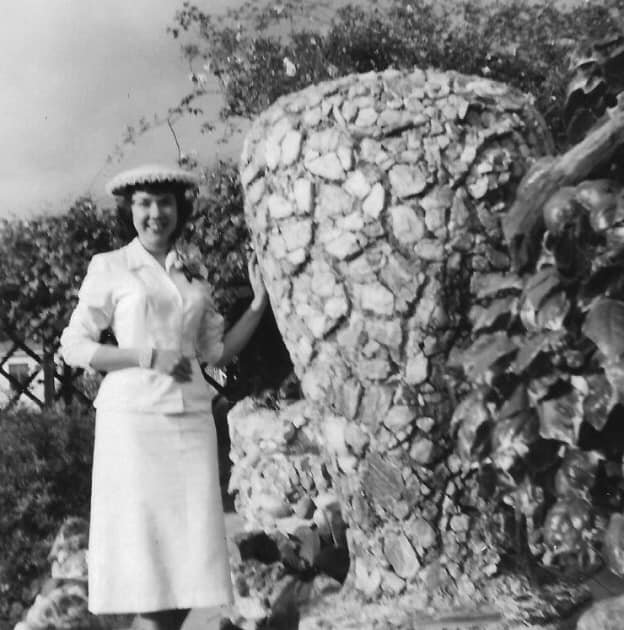
Granddaughter of A.E. Mitchell, Joy Mitchell Warner, with the Victory Vase in 1957

Son Hubert Mitchell, and sister Eva Mitchell in the Go-Ye Fellowship prayer garden with the vase in the background. Photo from the late 1950s?
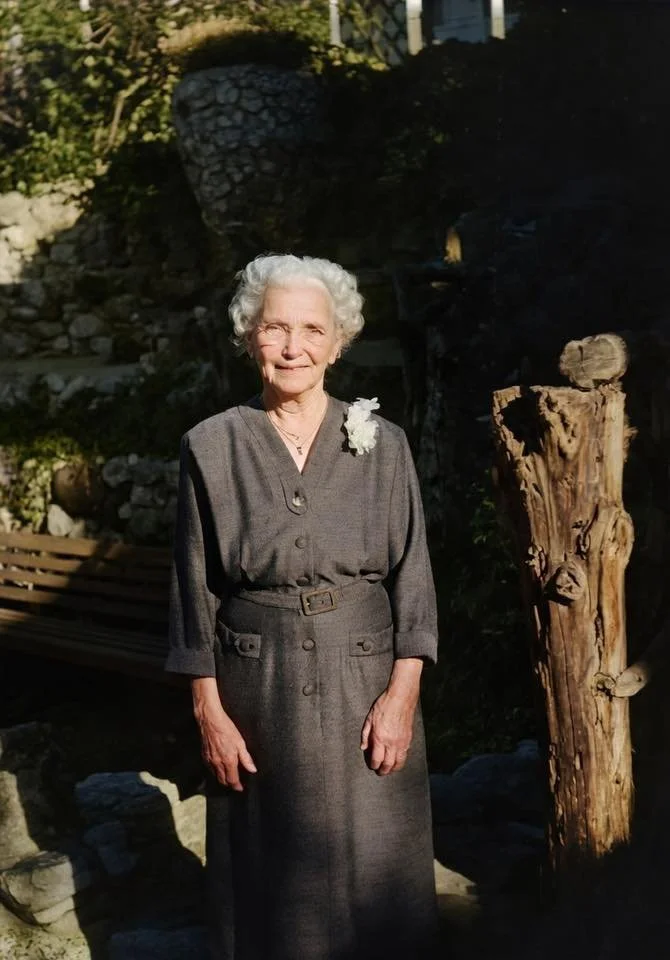
Eva Mitchell, Andrew Mitchell's sister, in front of the Victory Vase. Photo colorized by her grand niece Eva.
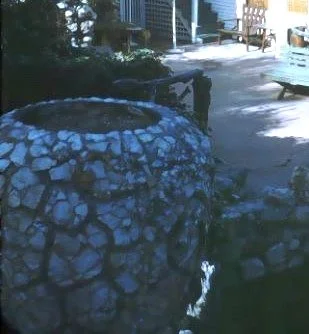
Interesting photo of the top of the vase, taken in 1964
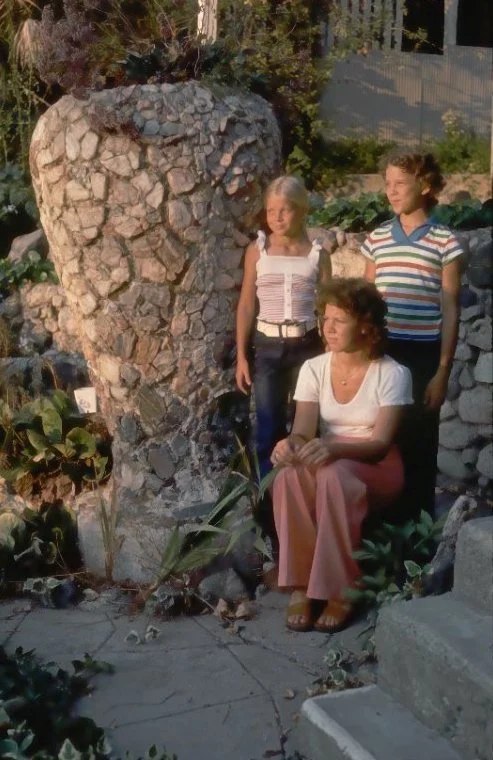
A.E. Mitchell great-granddaughters Lolisa Warner Collins, Avonna Warner Schirman standing, and Lori Warner, seated, with the vase in 1974.
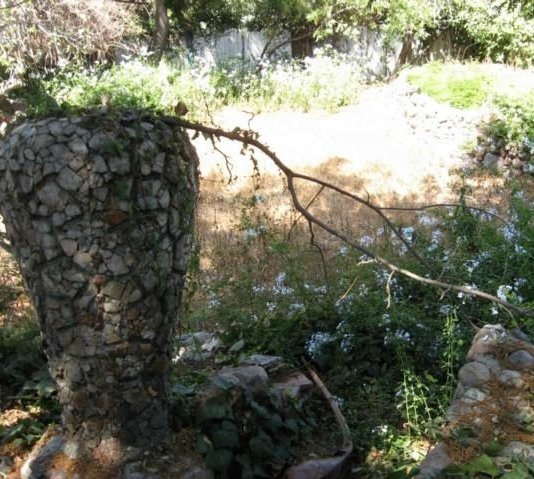
Photo from Aunt Eva's (A.E. Mitchell's sister) home sale listing showing the Victory Vase under vines, 2017
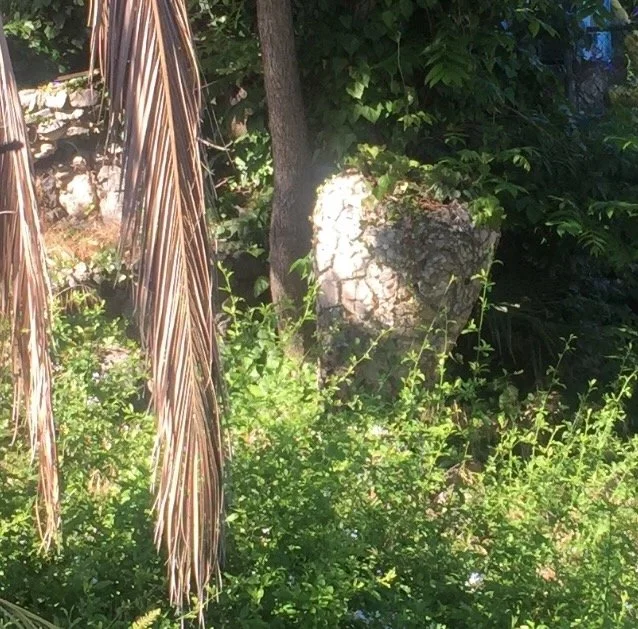
A.E. Mitchell's sister Aunt Eva lived next door to the Mitchell family compound, and her home had burned, it was torn down by the new owner, and the vase was left behind in vegetation overgrowth.
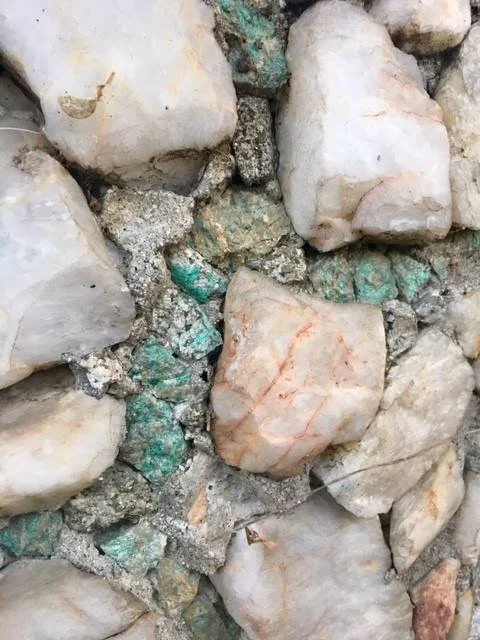
There are some beautiful colored rocks to be discovered in the crevices of the vase. Most of the rocks covering the surface are white or tan.
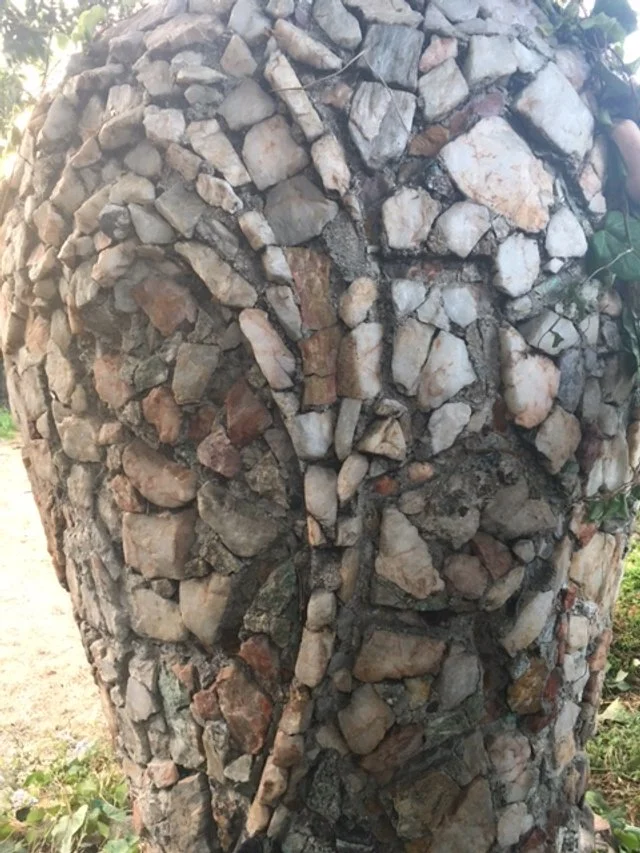
One of the two lily patterns on the side of the vase.

A.E. Mitchell's great-granddaughter, Lori Warner, and grandson Bryant Wilhelmsen's wife Anne with the vase in 2017.
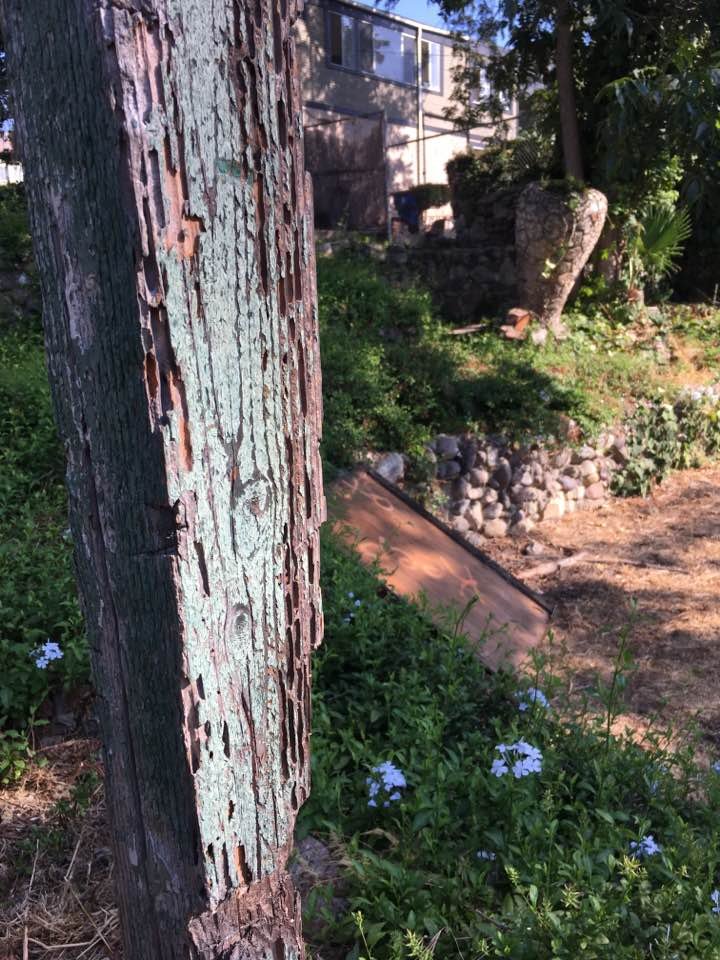
A view from the old children's sandbox in the Go-Ye Prayer Garden...only one pice of wood frame is left of the sandbox.
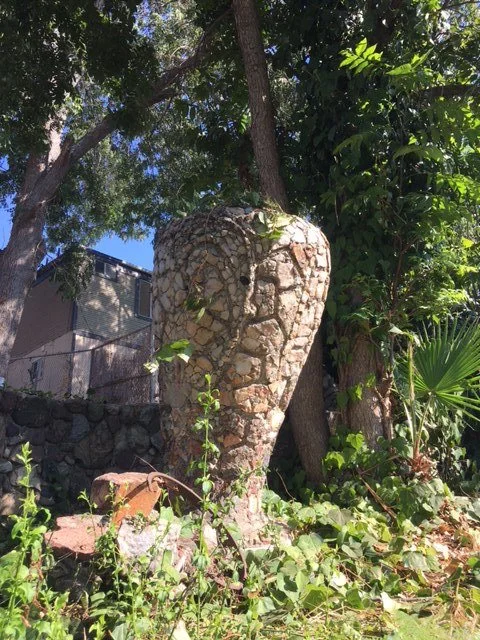
Nice color image of the Victory Vase in 2018. Even with a substantial concrete foundation and metal pipe going through to anchor it, over time, the vase started to lean.
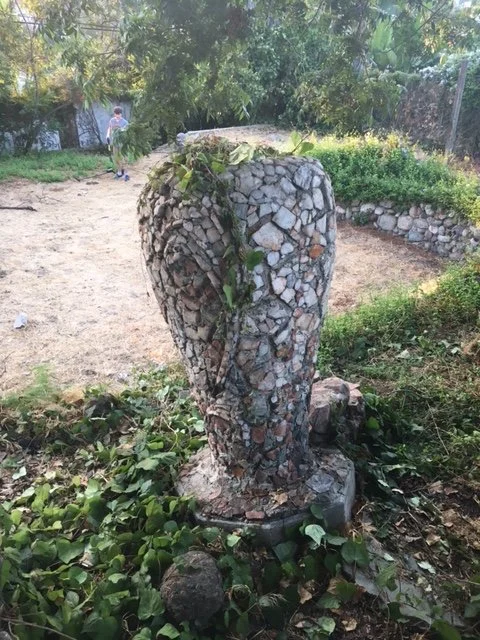
In the open area behind the vase you see where seating used to be for the Go-Ye Fellowship services. Crowds of 100+ gathered there to hear special speakers like Corrie ten Boom, Louis Zamperini, Dick Hillis, Jack Wyrtzen, etc.
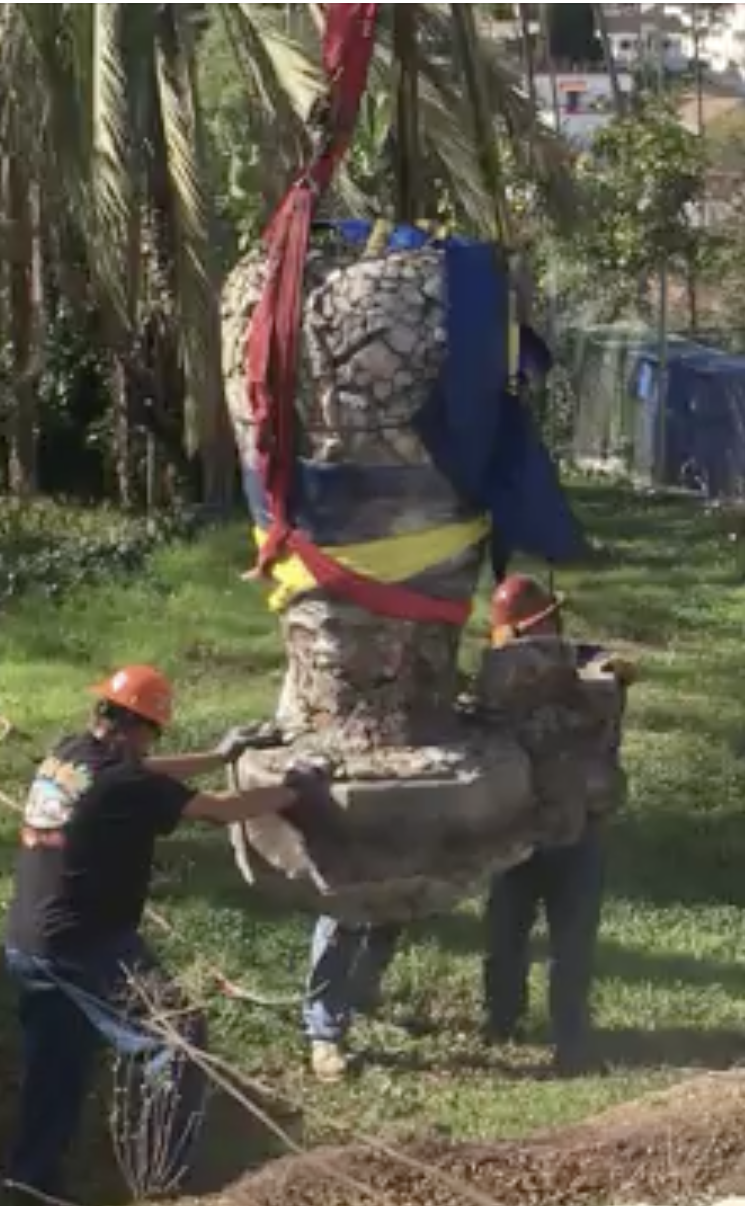
Contractors dug the Victory Vase out of the ground, cut the stabilizing pipe, and lifted it by a several ton crane up to the street for transporting to Biola in 2018.

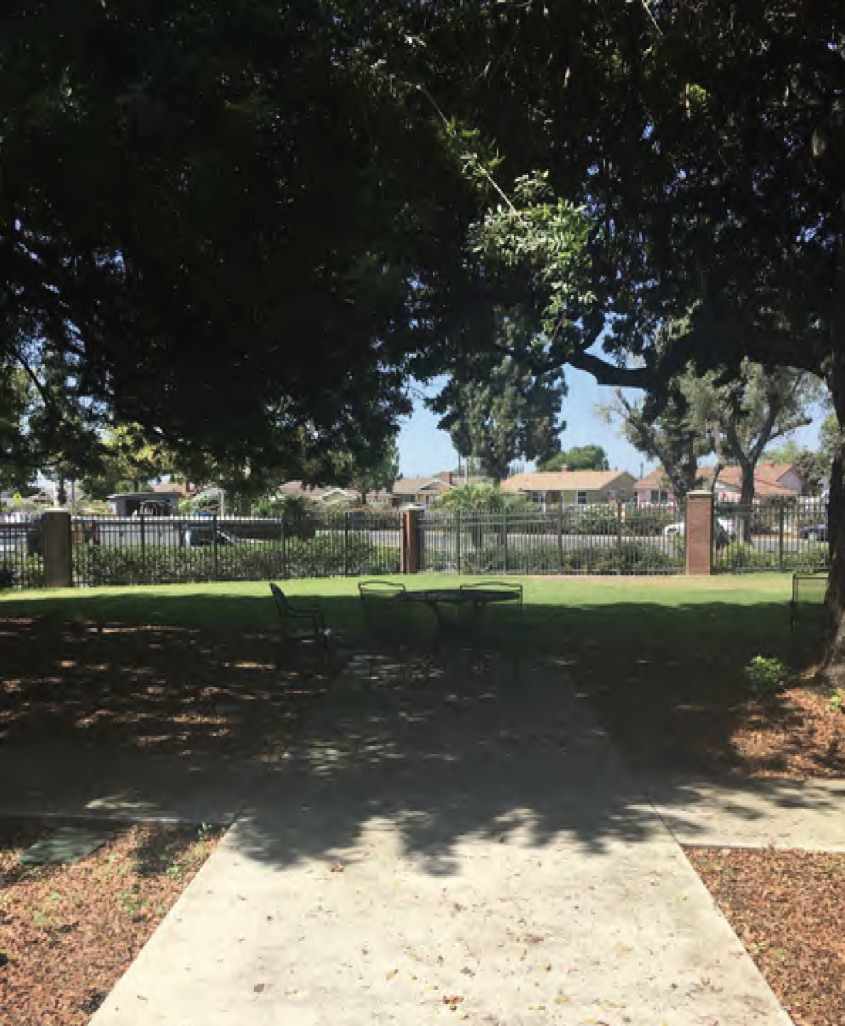
A perfect spot for the vase between two pepper trees outside the Myers building on the Biola campus, which houses the Talbot School of Theology. Dr. Talbot and A.E. Mitchell were friends...a very fitting location at Biola.

Mitchell family cousins, Joy Russell, Lori Warner, and Alice Williams facing the installation location for the Victory Vase outside of the Talbot School of Theology in 2025.
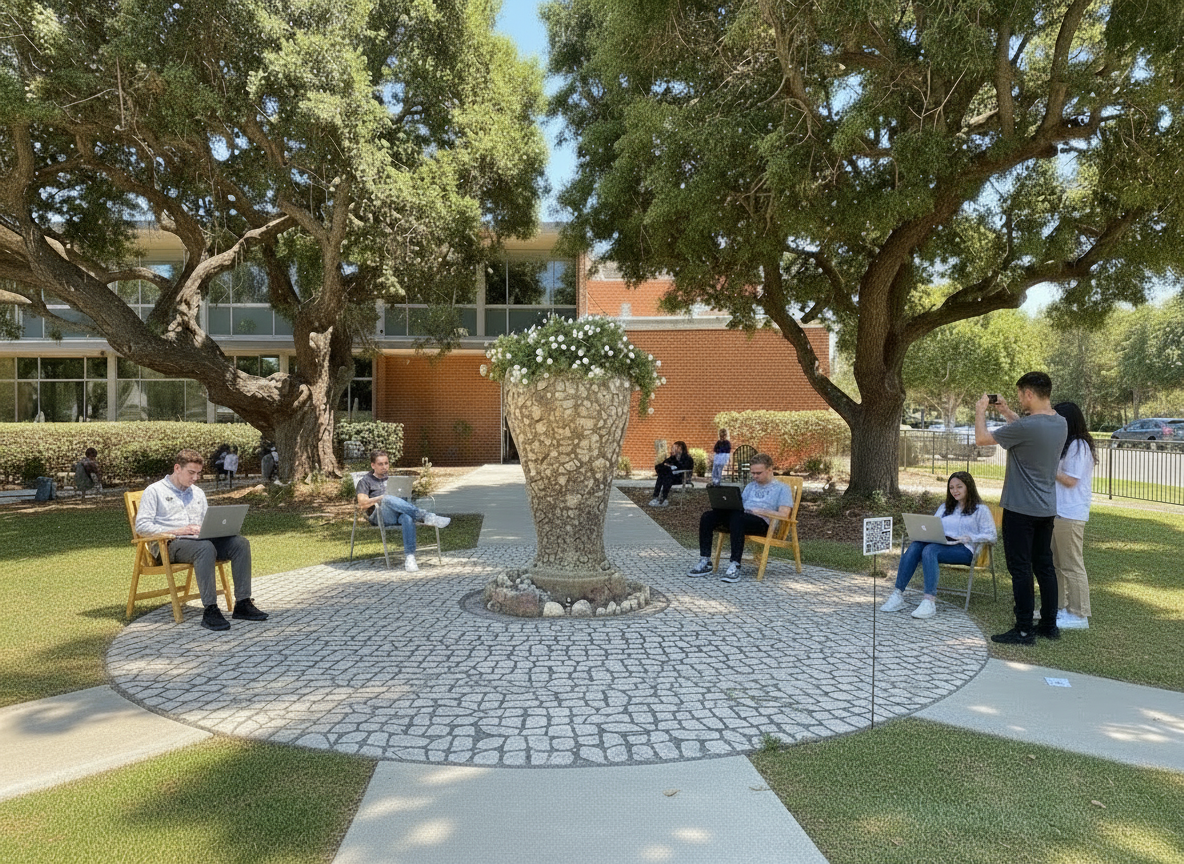
A rendering of the vase outside the Myers building at Biola.
A rendering of the vase outside the Myers building housing the Talbot School of Theology at Biola.

Map of where the Myers Hall is located on the Biola campus. It is near the main gate.
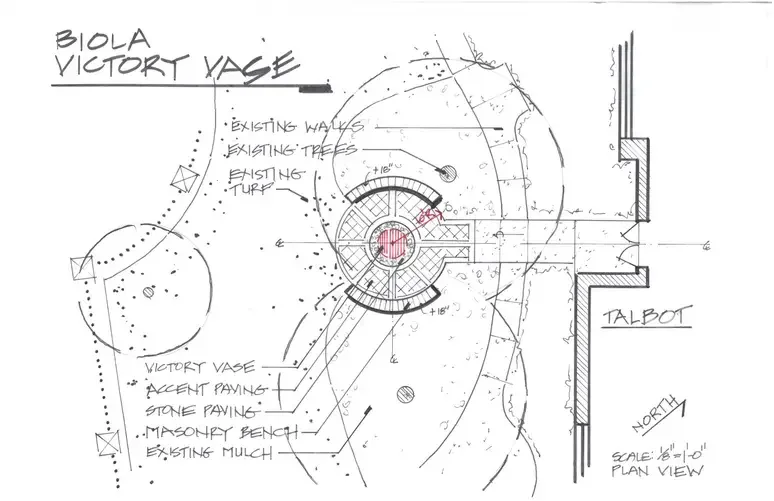
This is a drawing of the Victory Vase installation minus the benches.

A sample invitation to the Victory Vase dedication...praying this will become a reality at Biola in 2026.
The Mitchell Family and Biola
Dawson Trotman
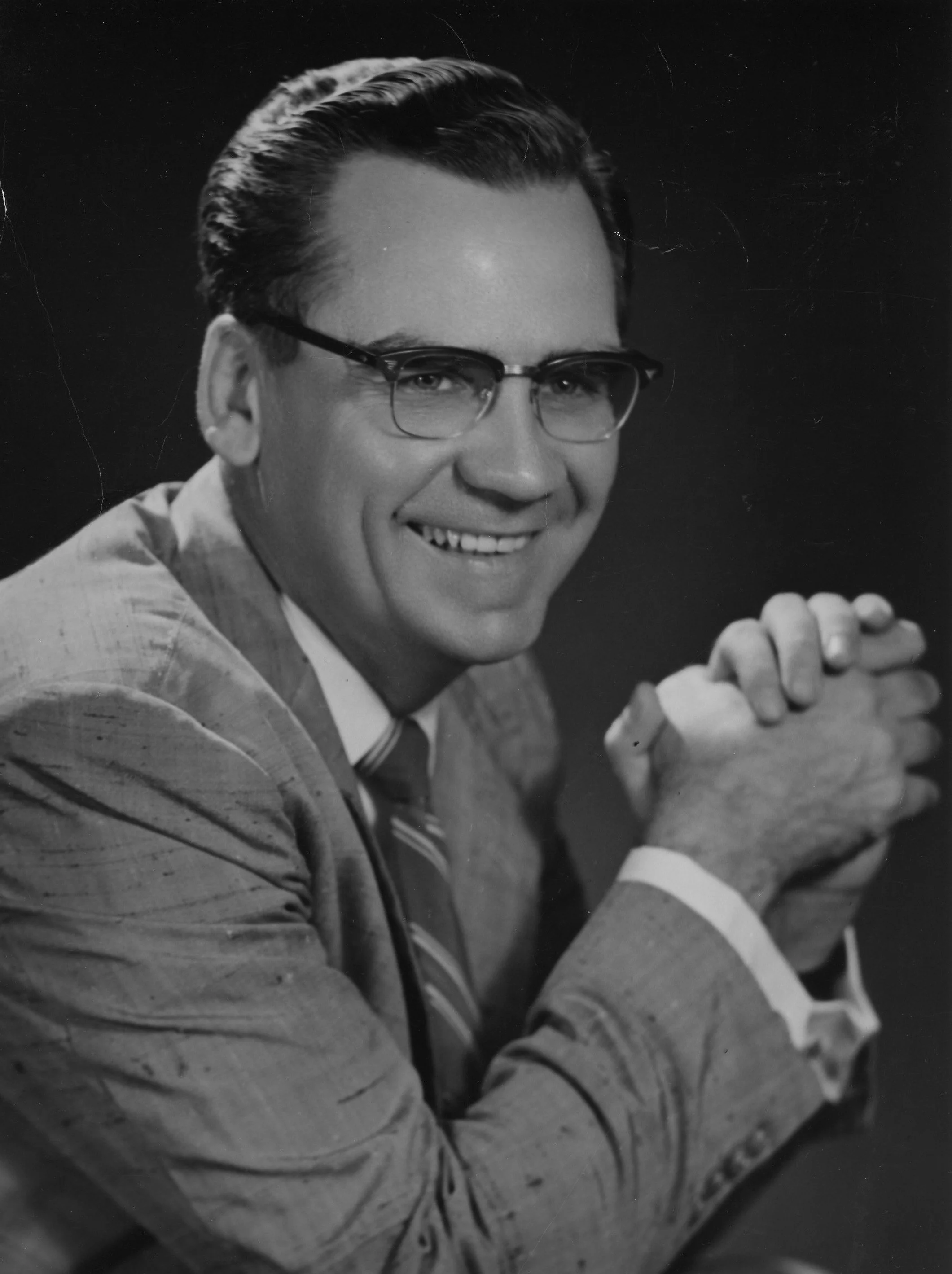
David
Morken
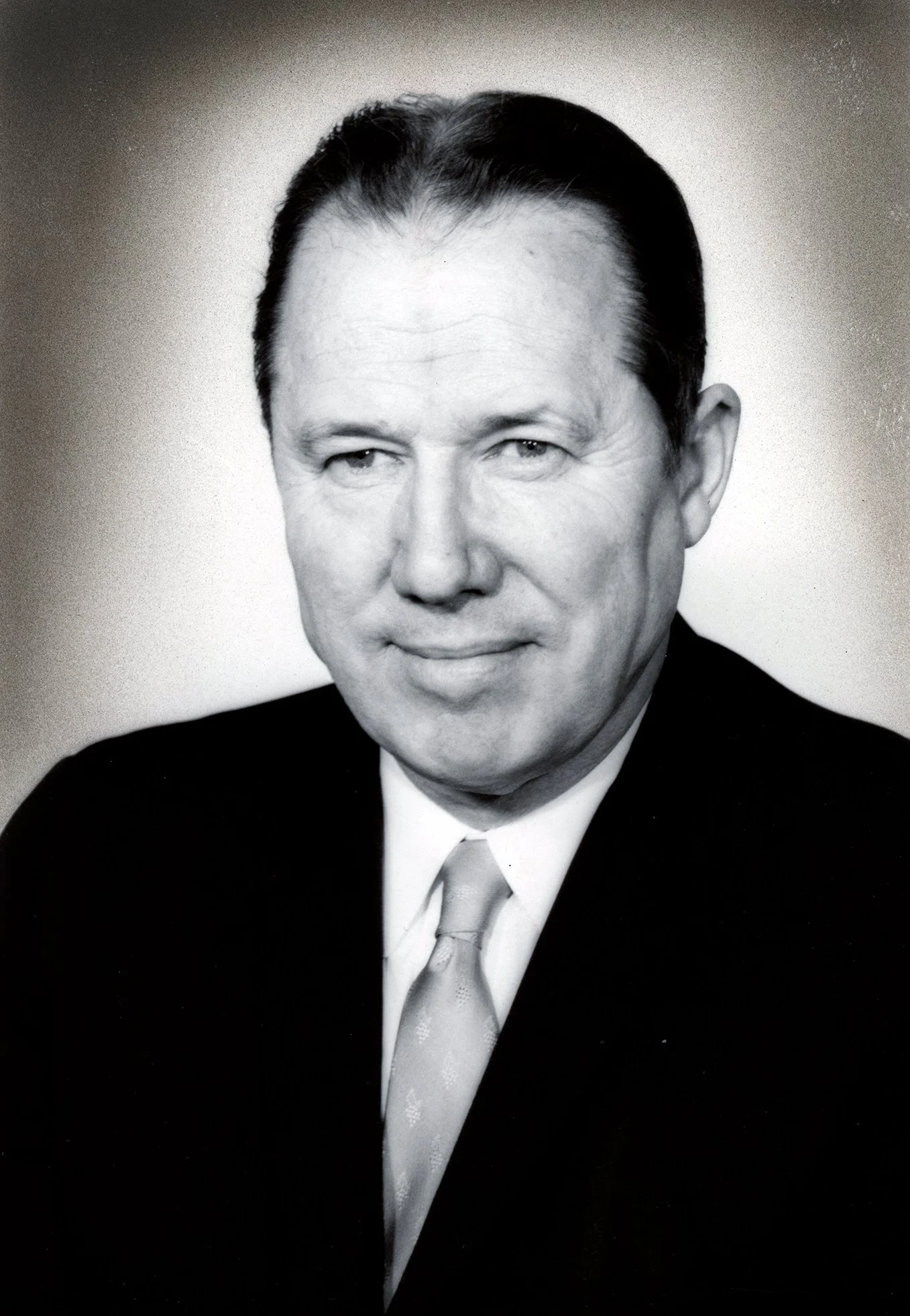
Hubert
Mitchell
The Powerhouse Five
Dick
Hillis
Bob
Pierce
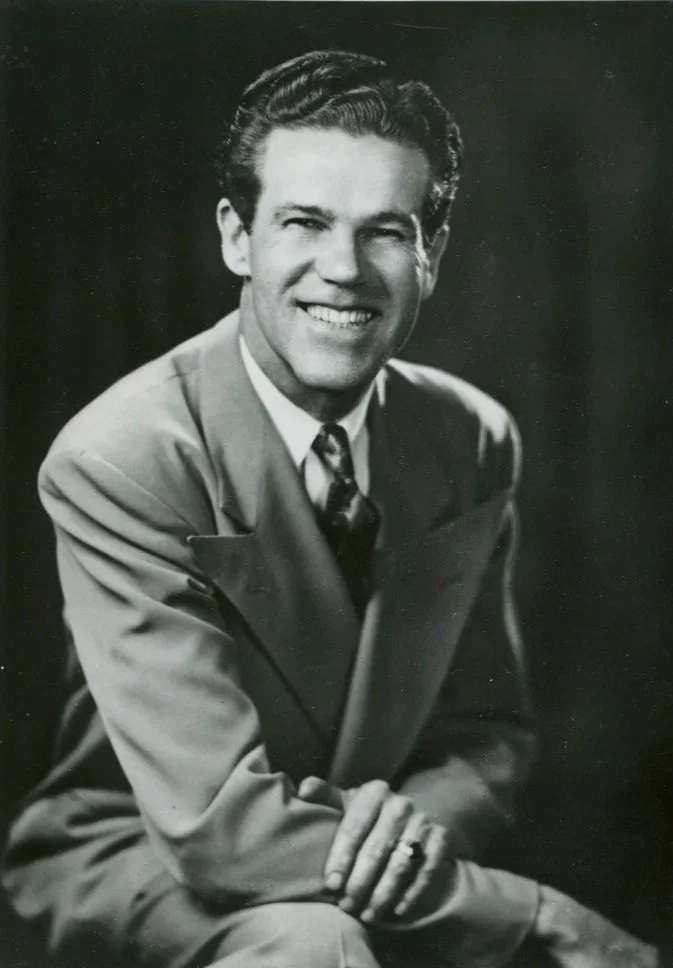
In the mid 1940s, God brought together a group of men who dedicated themselves to pray together regularly on Tuesdays at 5:00 AM. They were Dawson Trotman, founder of the Navigators, A.E Mitchell’s son-in-law, missionary/evangelist David Morken, A.E. Mitchell’s son, missionary/evangelist Hubert Mitchell, missionary Dick Hillis and Bob Pierce of World Vision and Samaritan’s Purse.
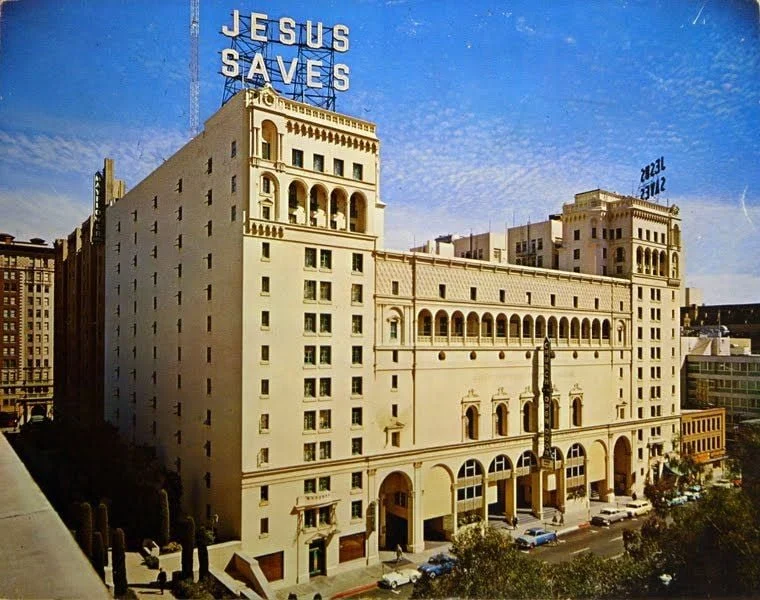
Roy Robertson, in his book, Developing a Heart for Mission, tells how these five men of great faith gathered on the roof of the Willard Hotel, adjacent to Biola or sometimes in the bomb shelter in Hubert’s back yard. The headquarters of the Navigators occupied the first floor of this hotel. On the roof, a small building housed the elevator shaft and electric generator. Dawson called it “The Powerhouse,” which carried a double meaning—the power of electricity and the power of prayer. Roy Robertson dubbed them “The Powerhouse Five.”
These men were linked together in a new movement called Youth for Christ, and David became Vice President of Youth for Christ in Los Angeles. He was also teaching Missions at Biola. David and Hubert held rallies called “Saturday Night Jubilees” for Youth for Christ at the Church of the Open Door.
- From Arlita Morken Winston’s book, Heart-Cry.
The Mitchell family members have been employed by Biola or attended Biola beginning in the teens when A.E. Mitchell designed the covers for The King’s Business. Andrew and his wife Jennie attended Biola starting in 1920 and many family members have attended through the years and have served as professors or conference speakers.
An interesting chapter in the family relationship is the story of the “Powerhouse Five”. This story involves the men at left…five praying men who met next to Church of the Open Door/Biola early mornings to pray.
The Mitchell Family and Biola - Photo Album

Plaque for Biola by A.E. Mitchell created between 1915-1922
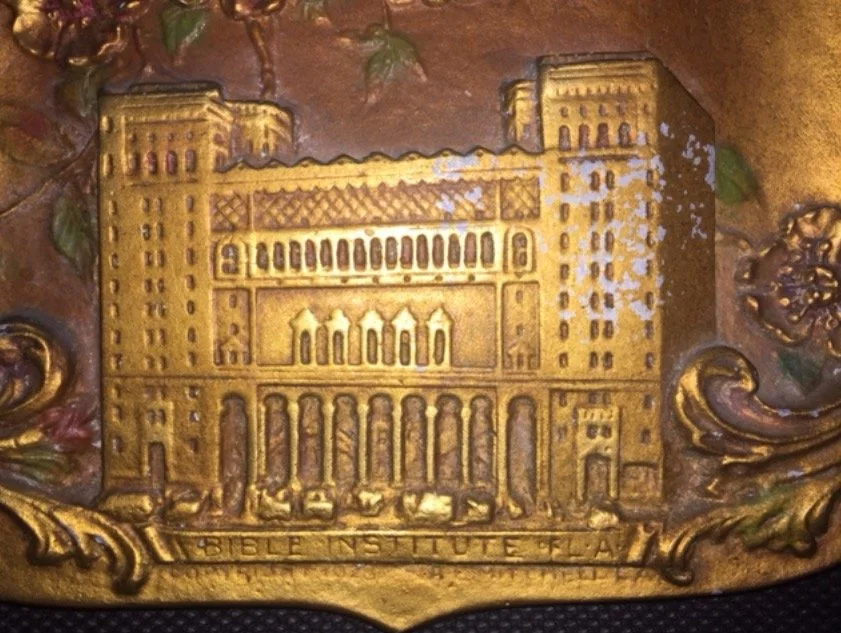
Downtown Los Angeles Church/Biola detail on the A.E. Mitchell plaque
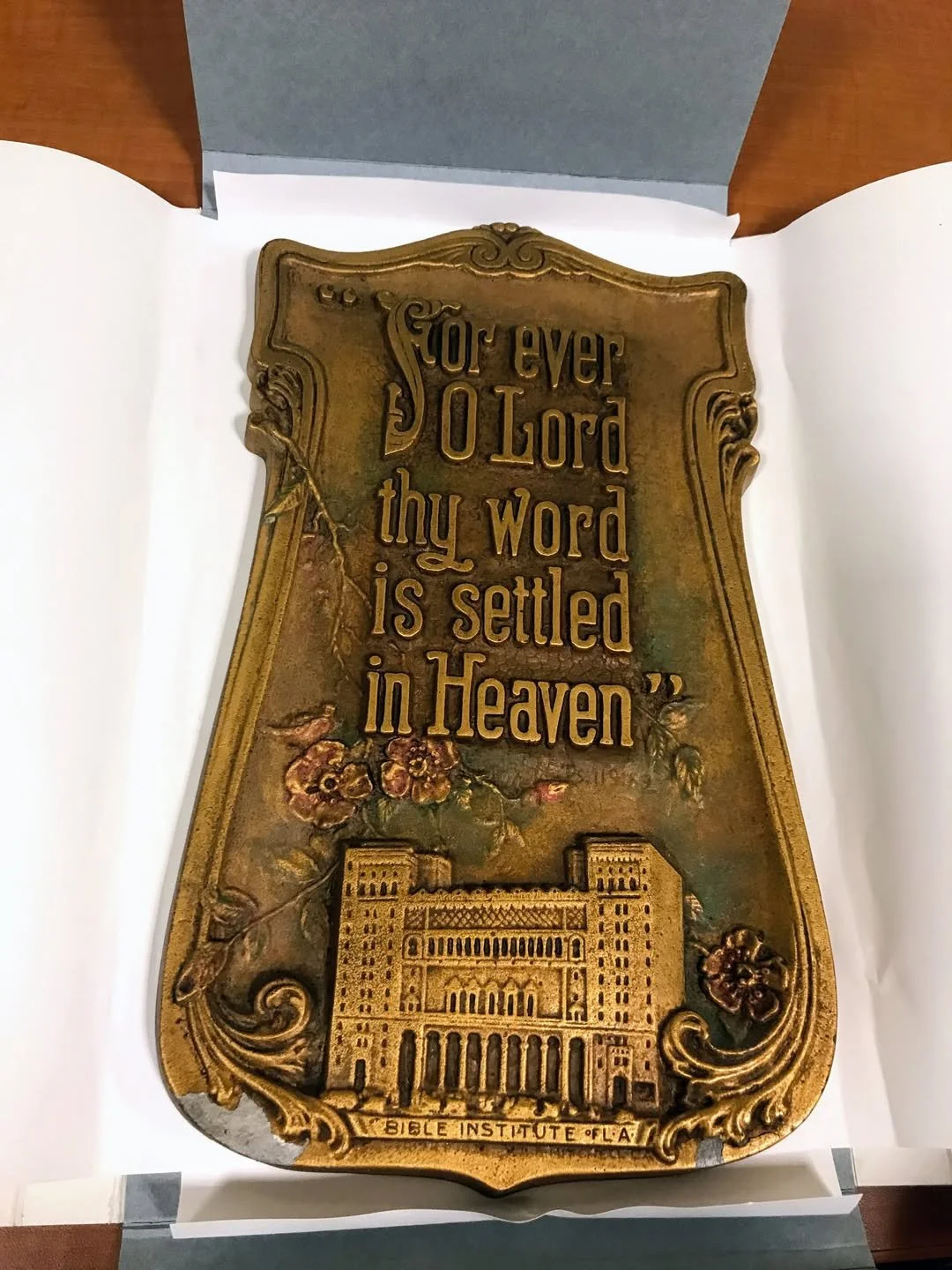
This is an A.E. Mitchell plaque Biola has in their archives, packed beautifully by the Library Archives team. This could have been made between 1915-1922.
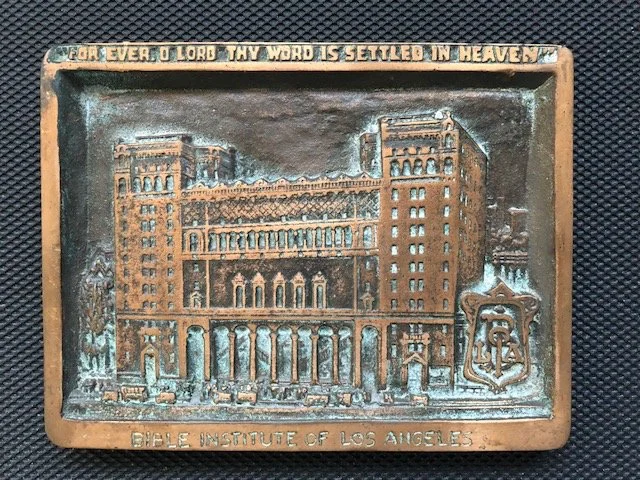
Smaller plaque for Biola by A.E. Mitchell
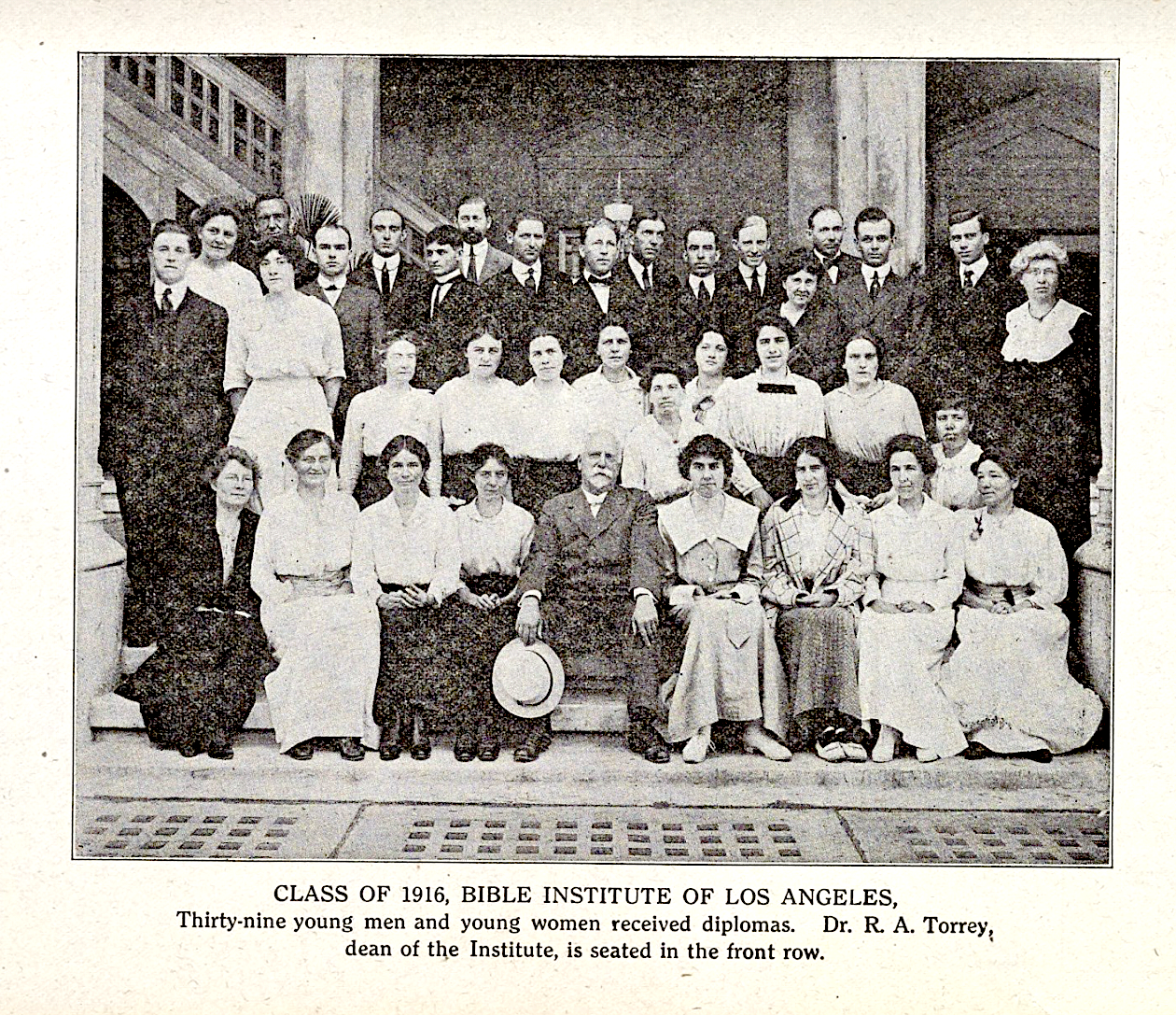
A.E. Mitchell's sister Elinor graduated from Biola in 1916. She is behind Dr. Torrey to the right.
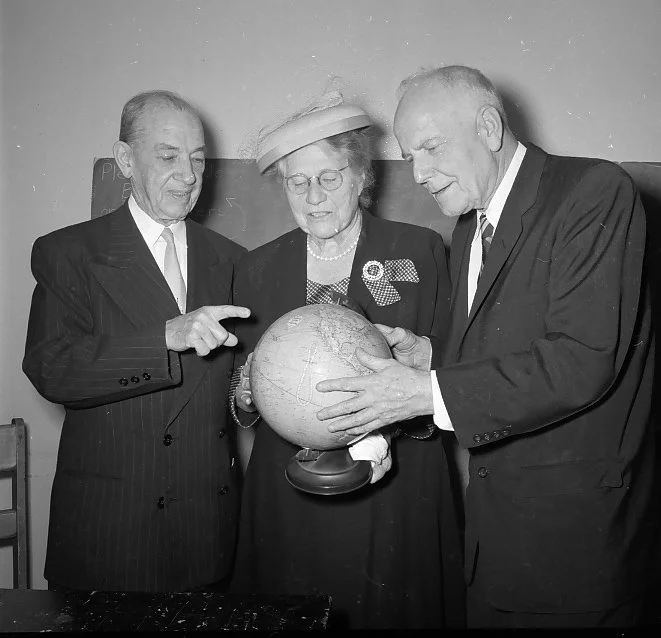
Andrew and Jennie Mitchell with Dr. Louis T. Talbot for an LA Times article
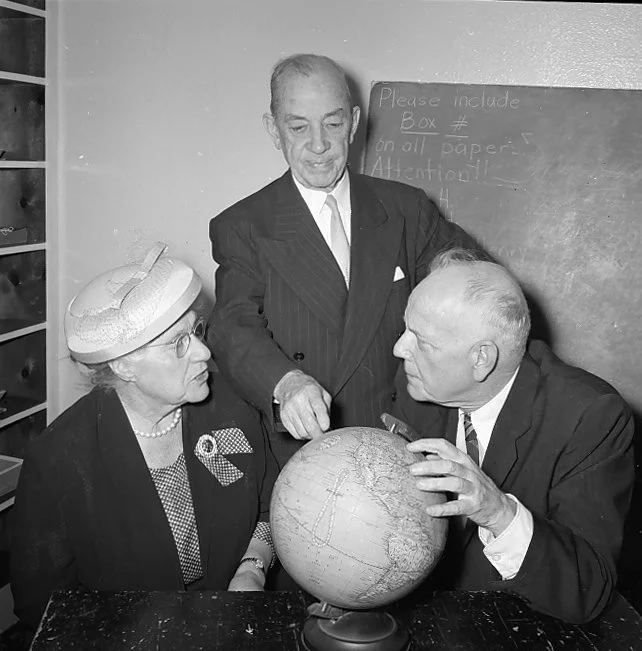
Andrew and Jennie Mitchell with Dr. Louis T. Talbot for an LA Times article
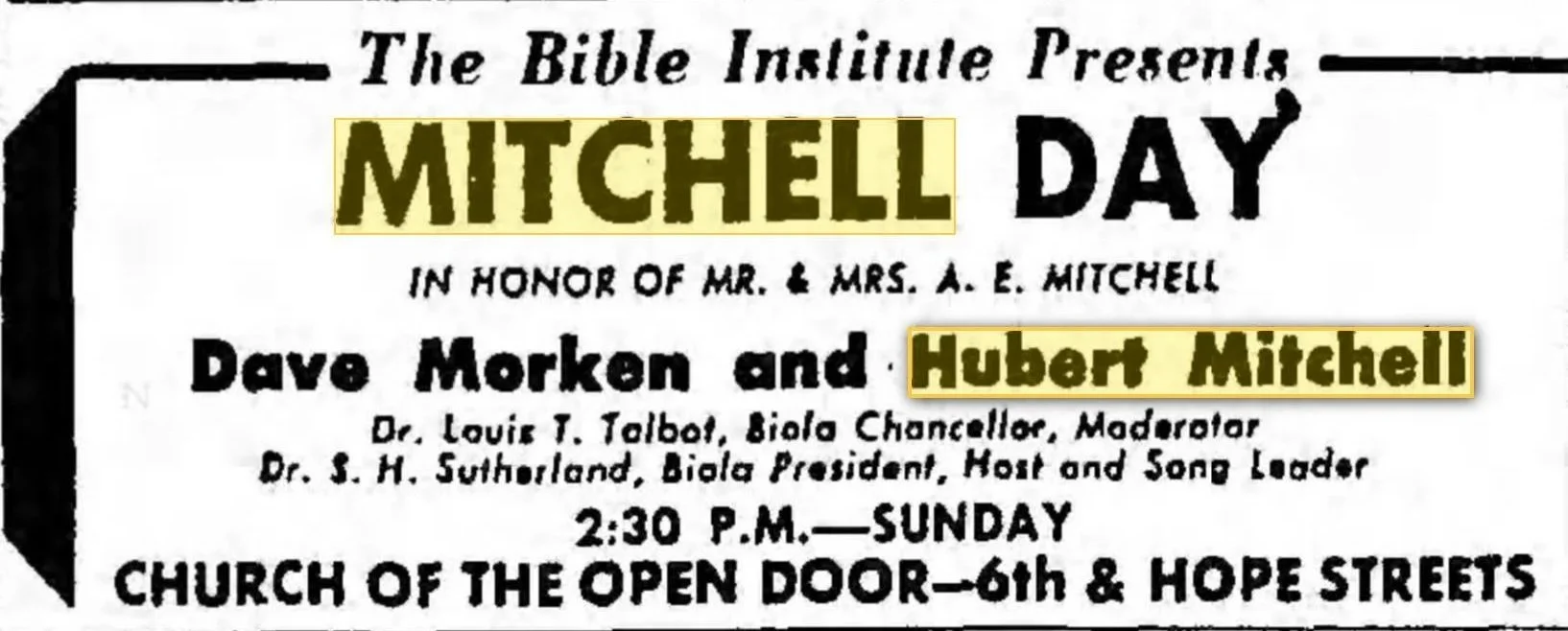
"Mitchell Day" ad in teh LA Times, 1957

A.E. and Jennie Mitchell's Go-Ye Fellowship letter about "Mitchell day" at Church of the Open Door/Biola
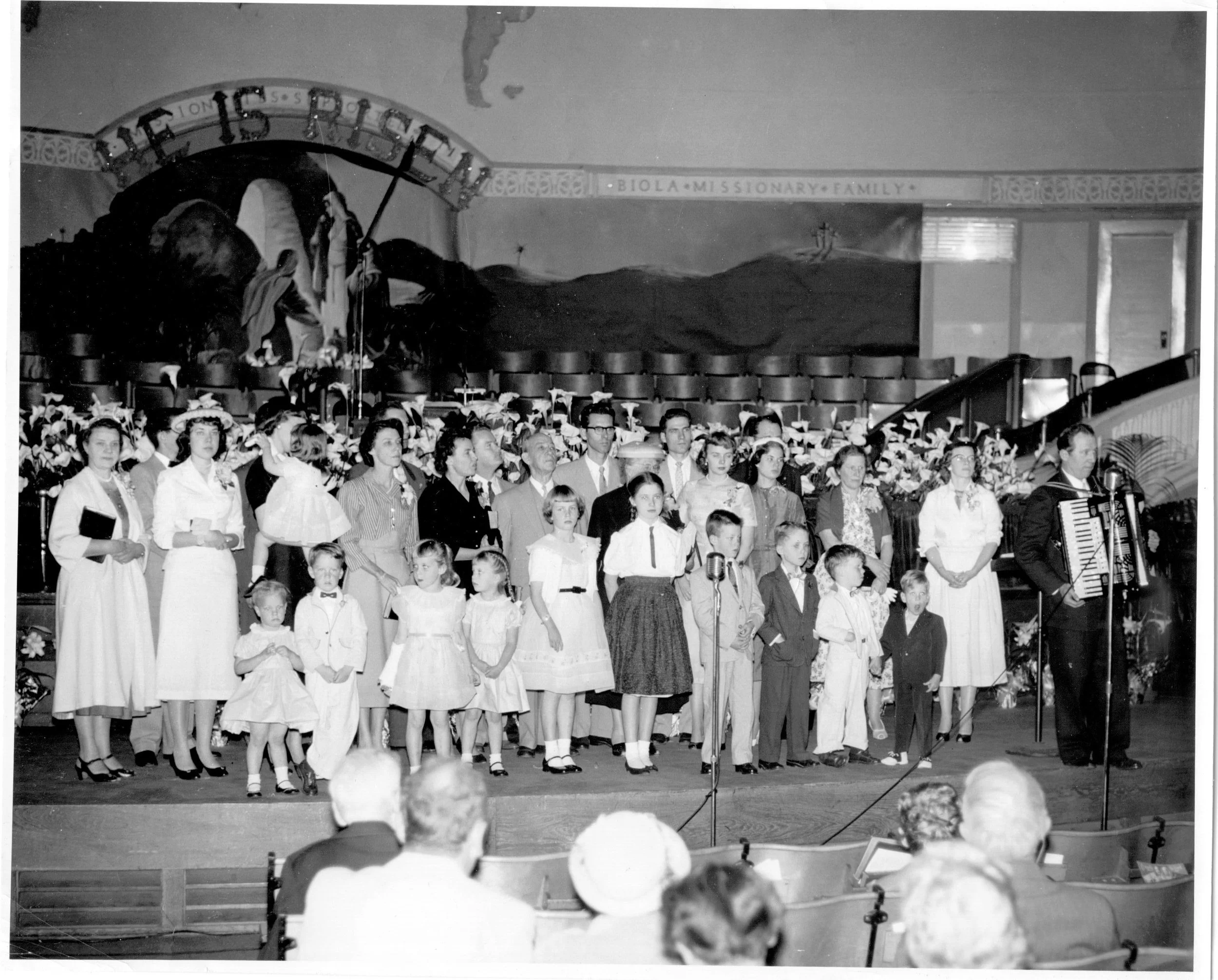
"Mitchell Day" at Church of the Open Door/Biola
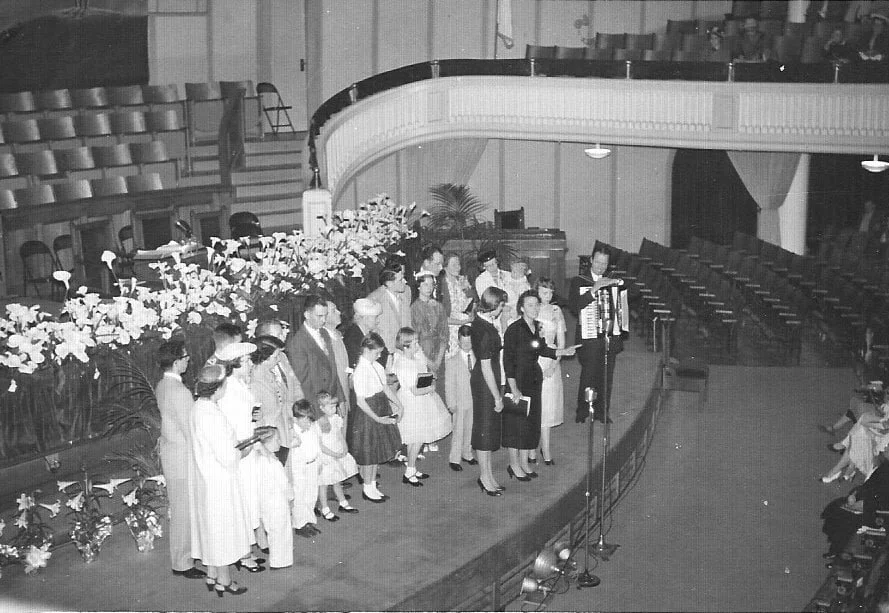

A.E. Mitchell with wife Jennie, and son-in-law David Morken behind Andrew on "Mitchell Day", 1957

David Morken and Hubert Mitchell led the Youth for Christ Jubilee at the Church of the Open Door/Biola
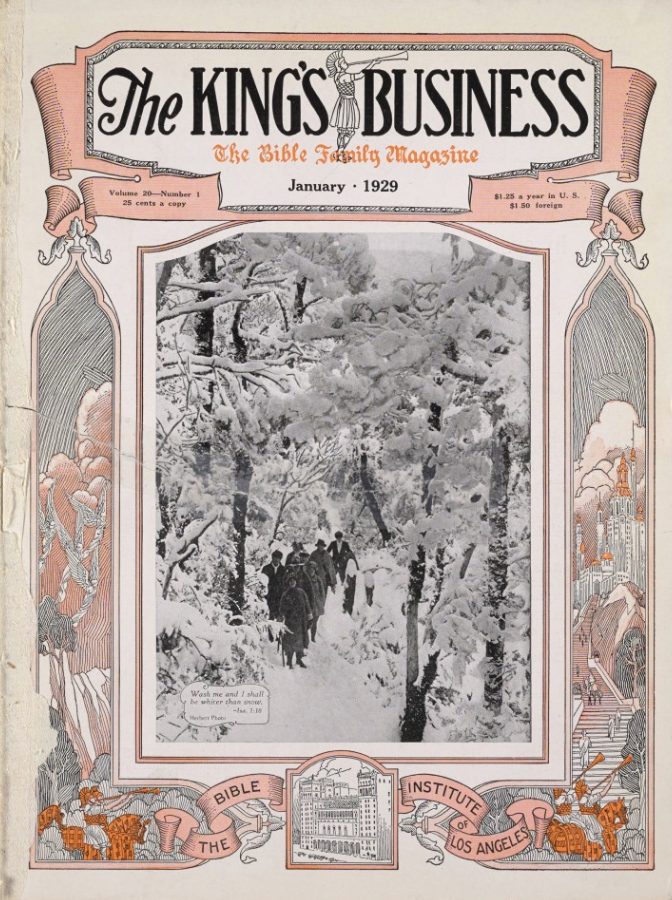
The King's Business Cover by A.E. Mitchell, 1929
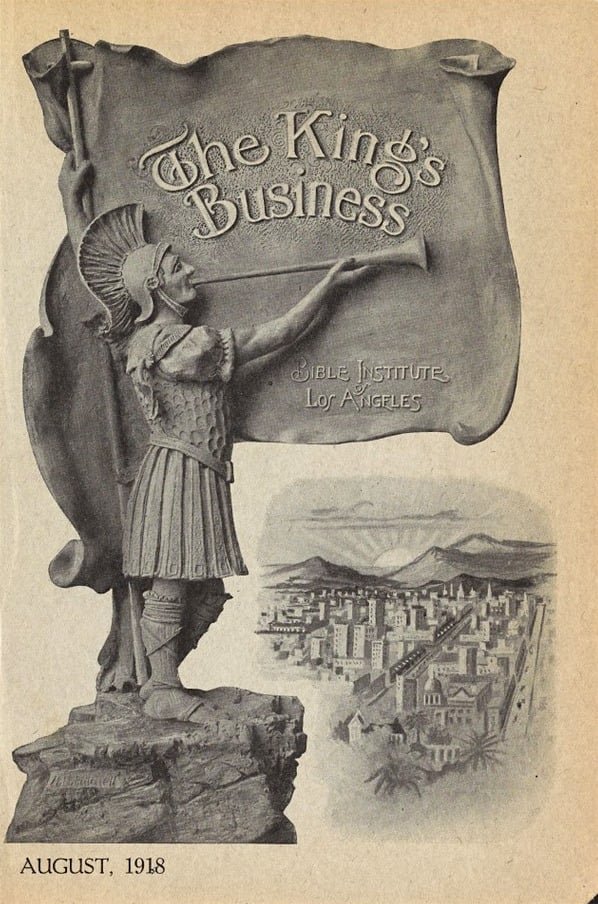
The King's Business cover by A.E. Mitchell, 1918
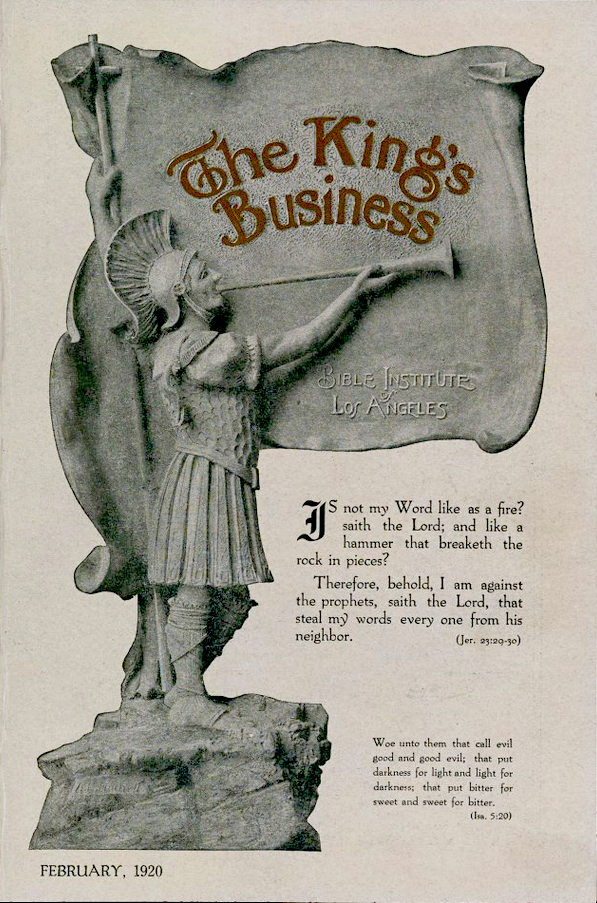
Biola's The King's Business cover by A.E. Mitchell, 1920
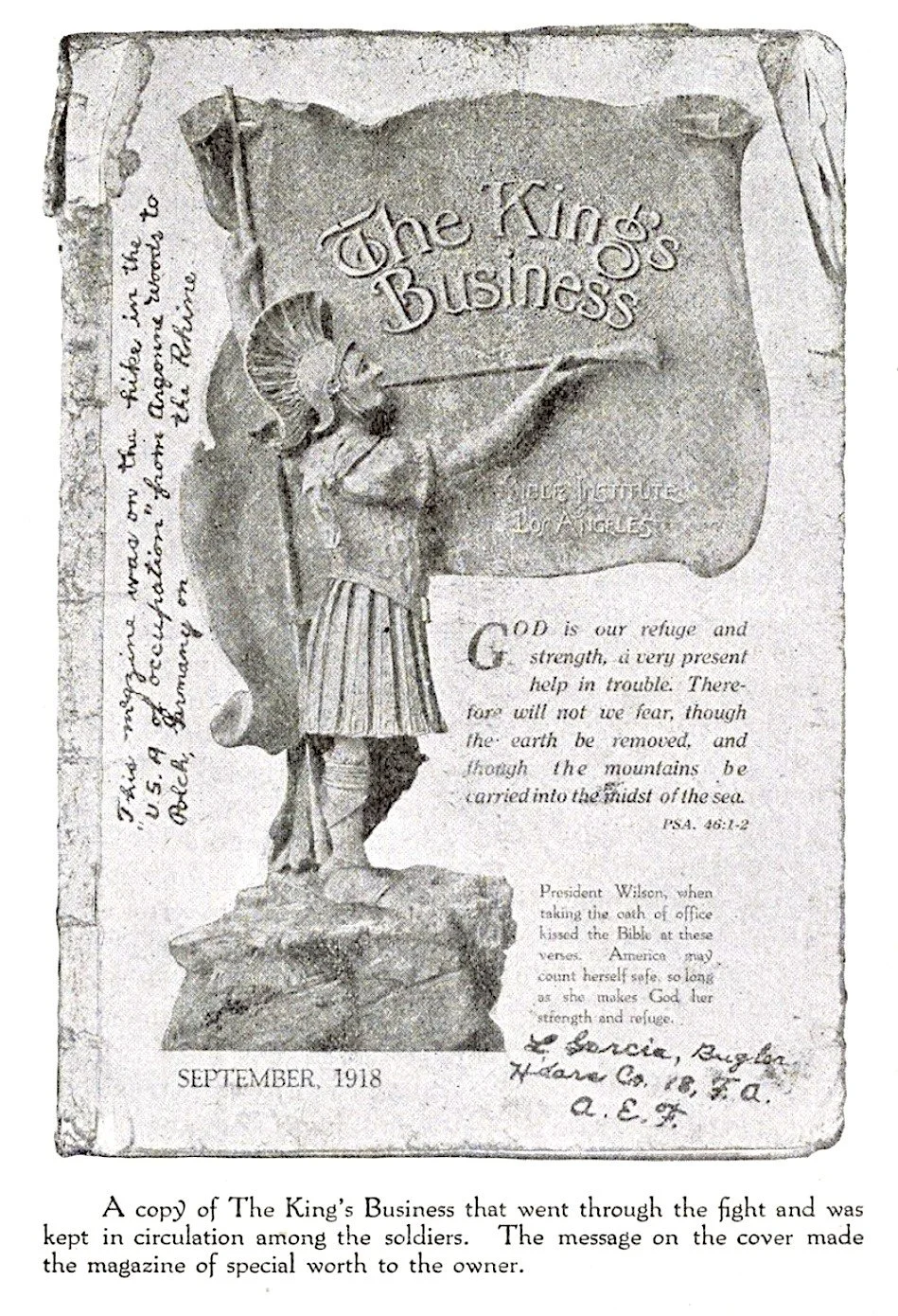
The King's Business cover by A.E. Mitchell - story about a WWI soldier who carried this into battle
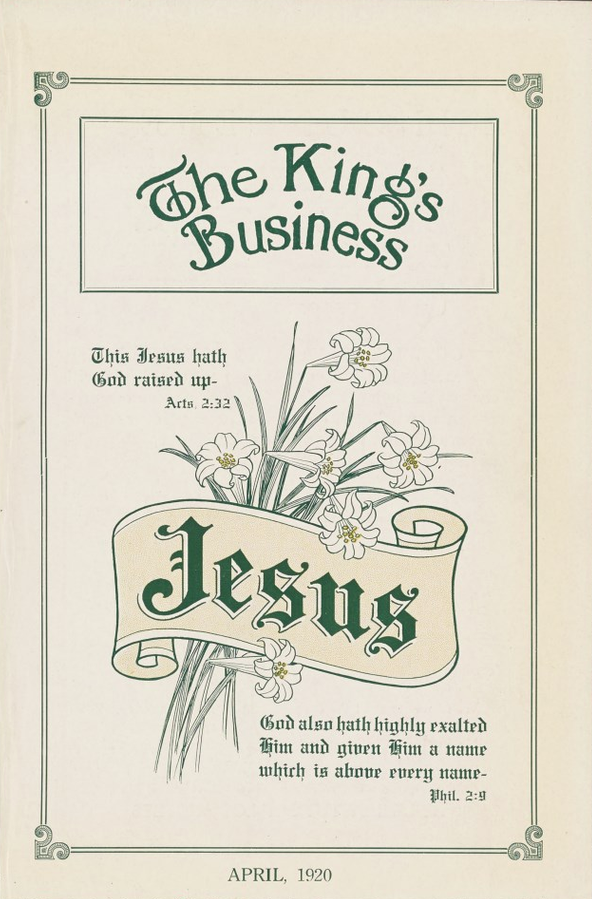
The King's Business cover by A.E. Mitchell, 1920
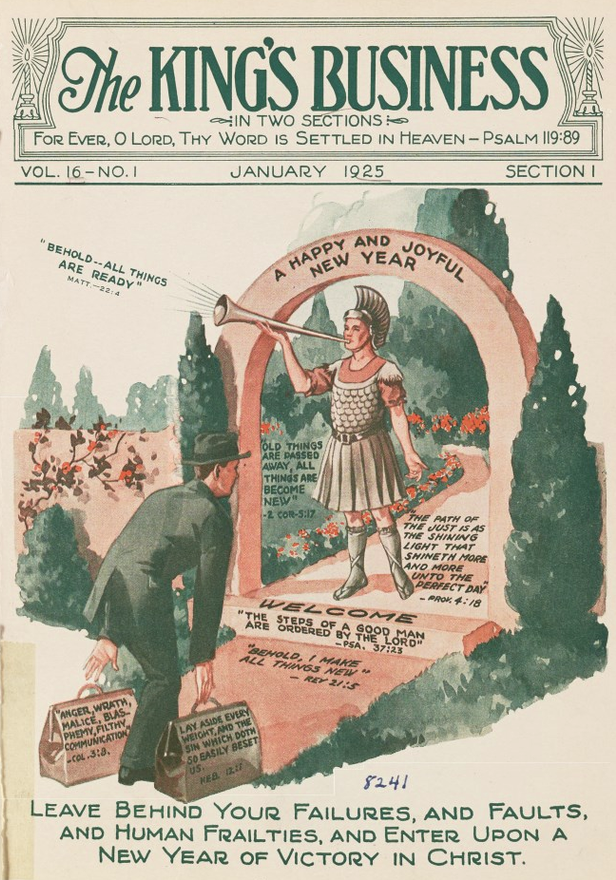
The King's Business cover by A.E. Mitchell, 1925
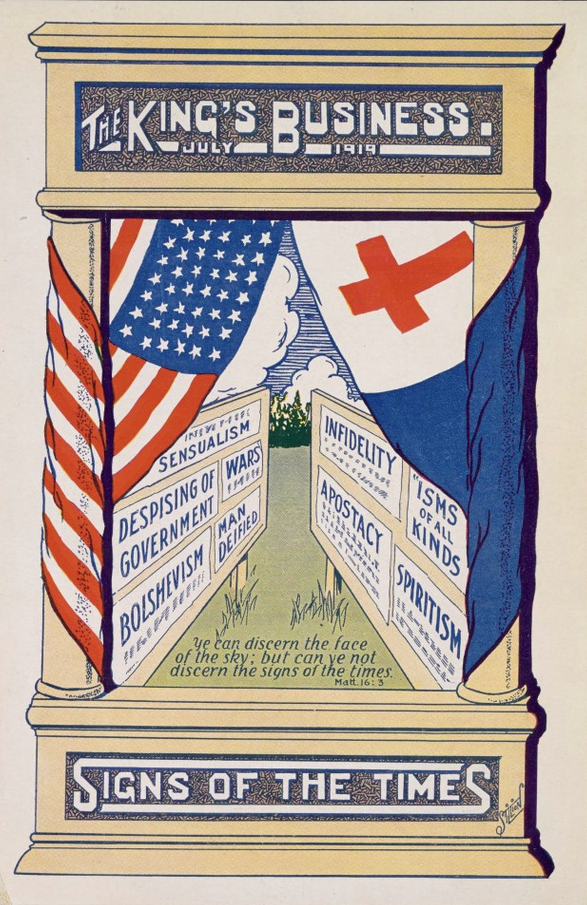
The King's Business cover by A.E. Mitchell, 1919
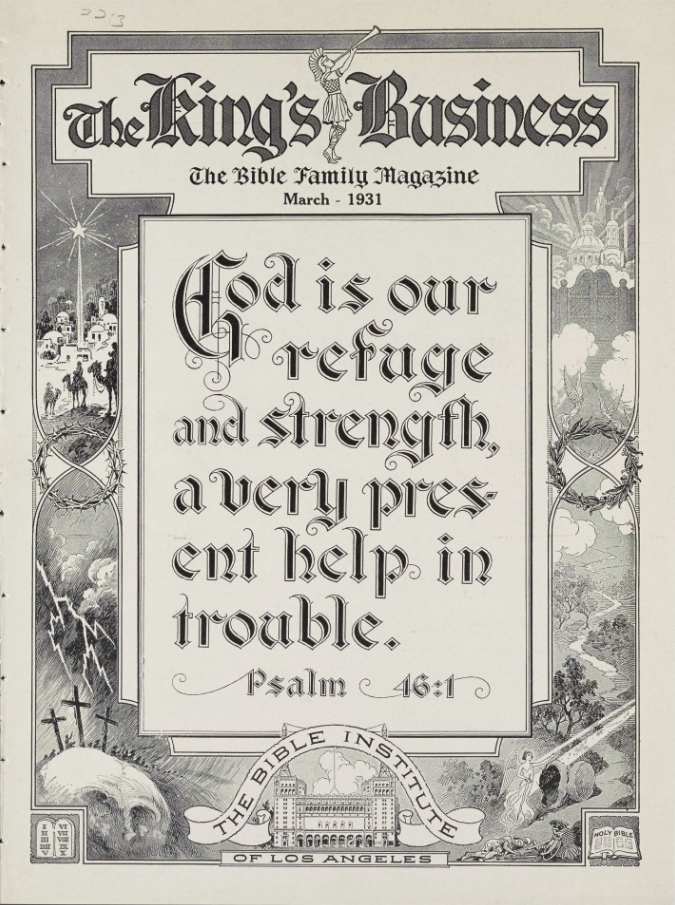
The King's Business cover by A.E. Mitchell, 1931
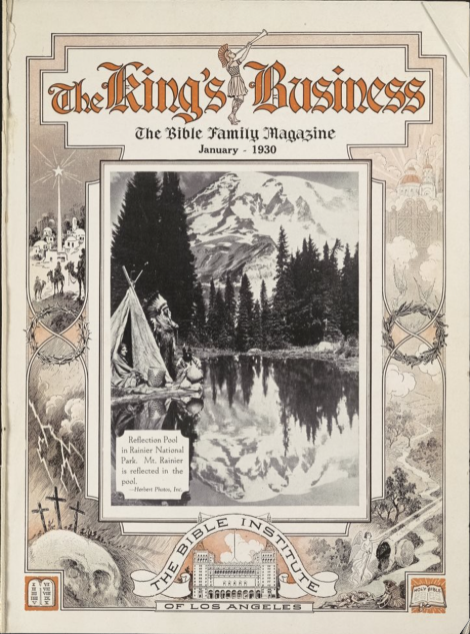
Biola's The King's Business cover by A.E. Mitchell, 1930
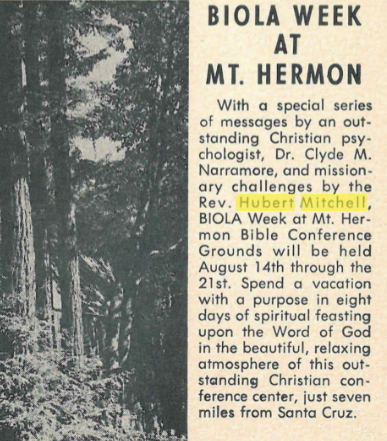
A.E. Mitchell's son Hubert Mitchell speaking at a Biola conference
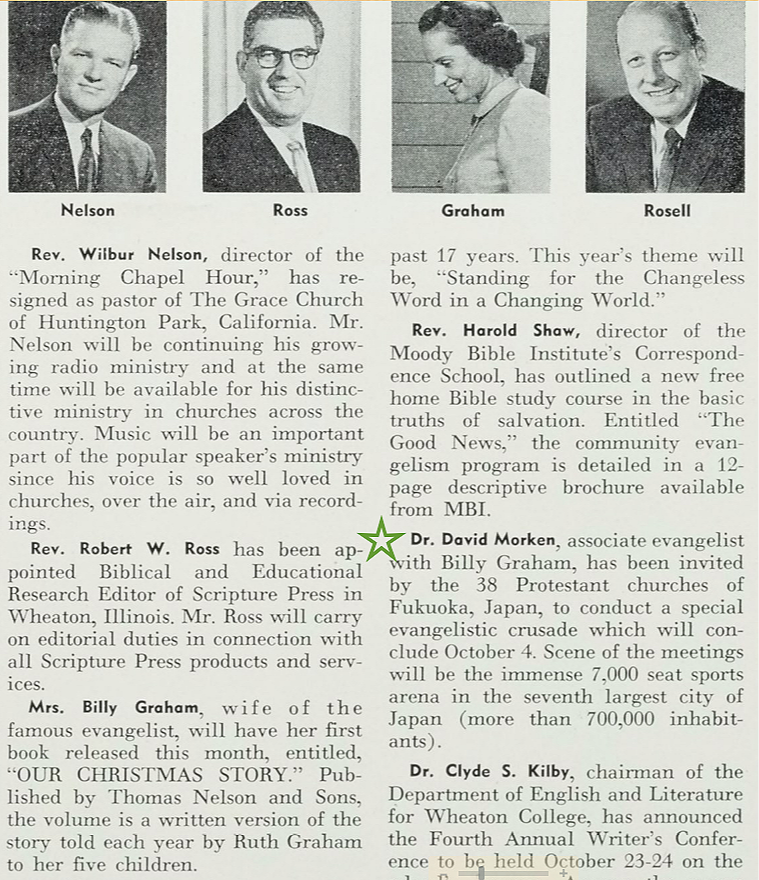
David Morken note in The King's Business, 1959
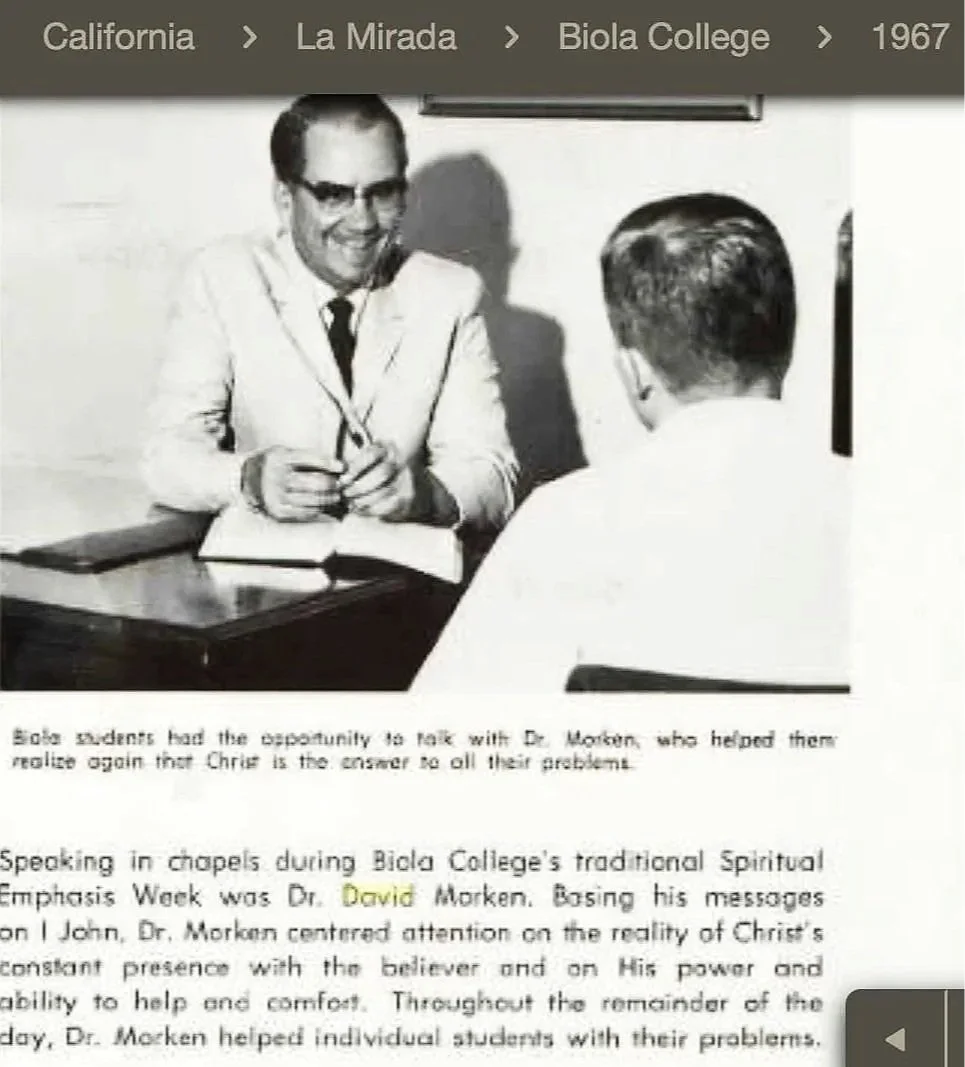
A.E. Mitchell's son-in-law David Morken at Biola, counseling students
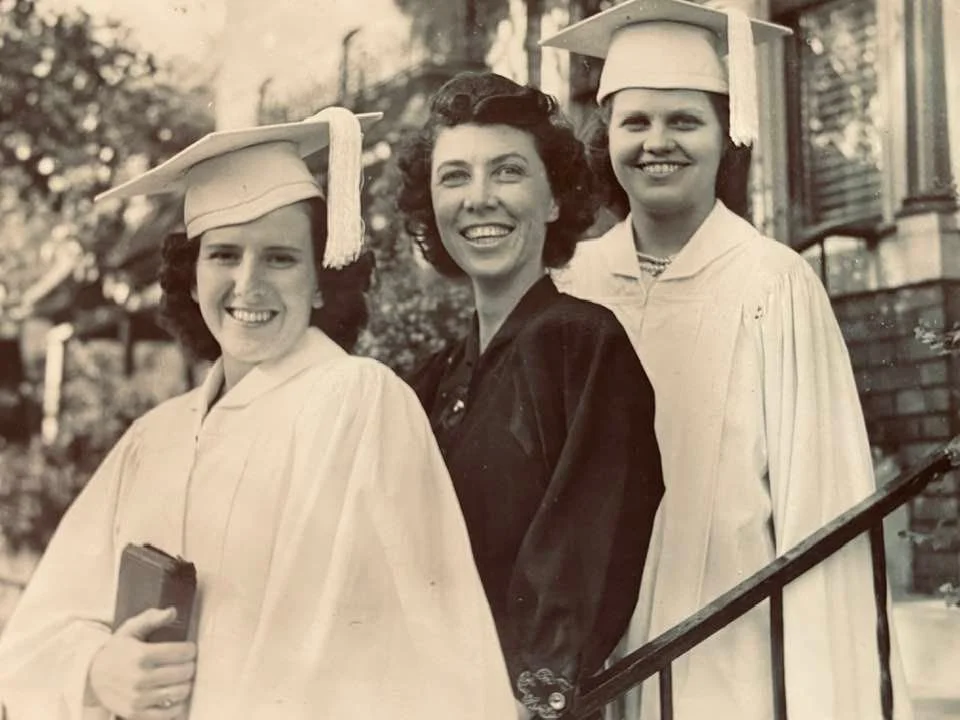
A.E. Mitchell's daughter Jean Mitchell Wilhelmsen with Biola students
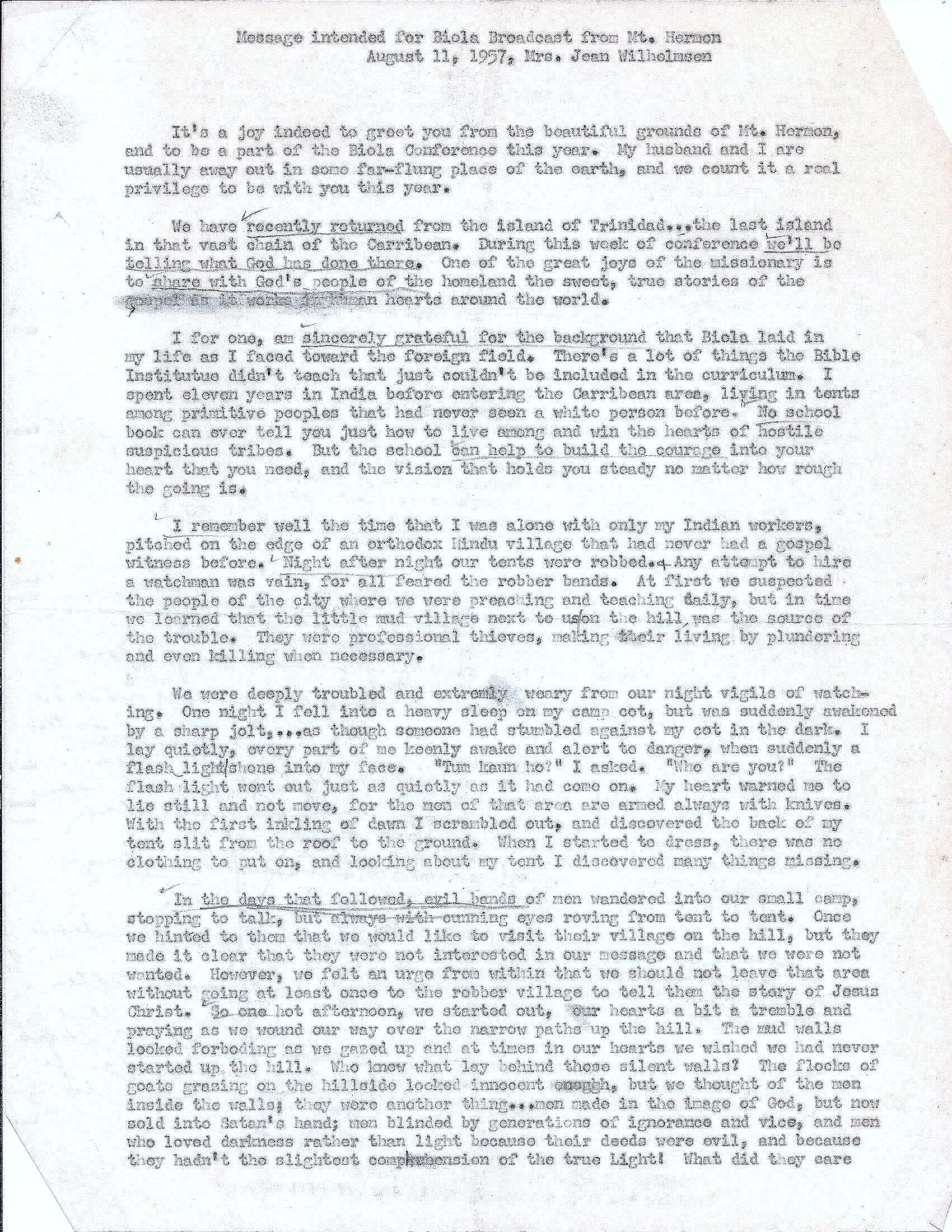
Jean Mitchell Wilhelmsen's sermon at a Biola Mt Hermon conference. Page 1 of 2
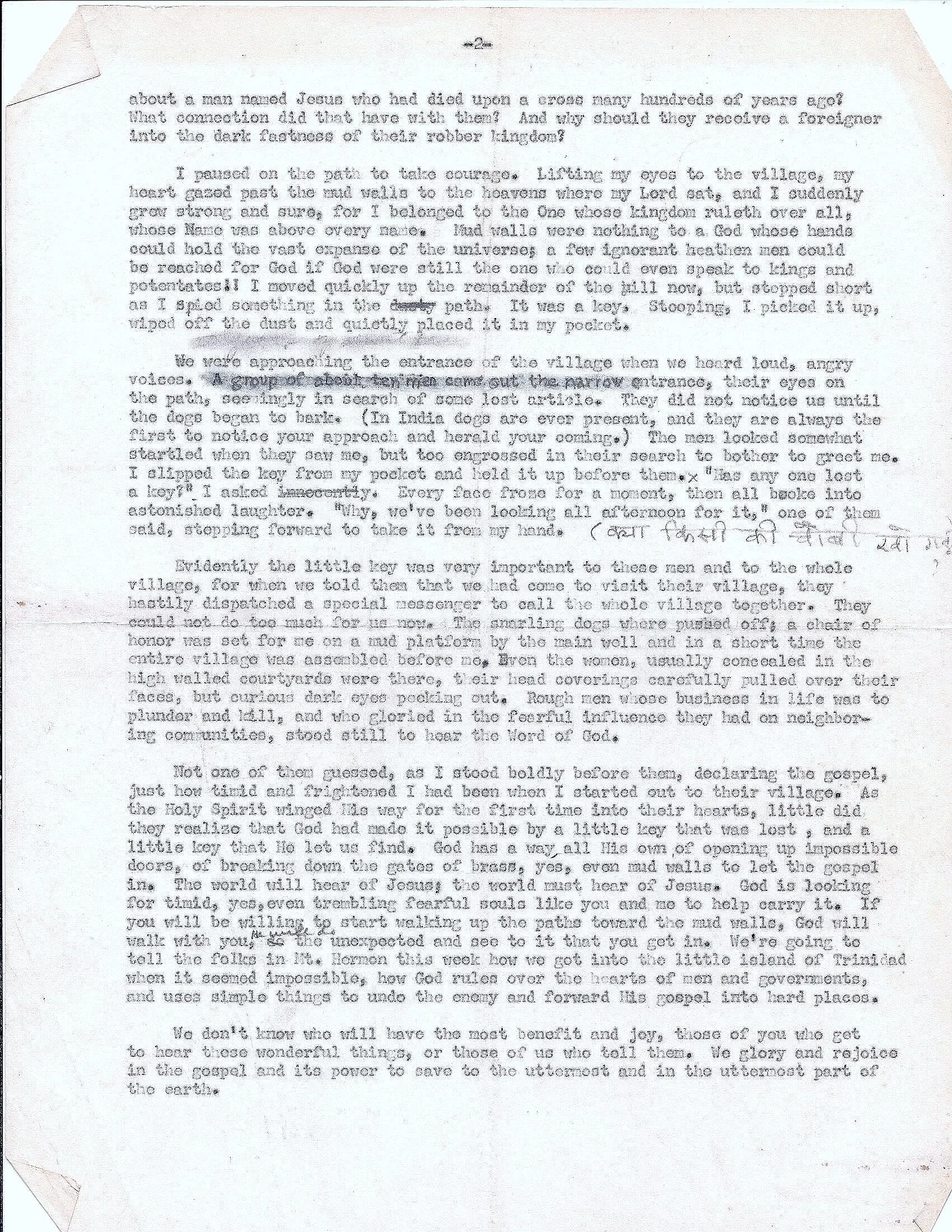
Jean Mitchell Wilhelmsen's sermon at a Biola Mt Hermon conference. Page 2 of 2
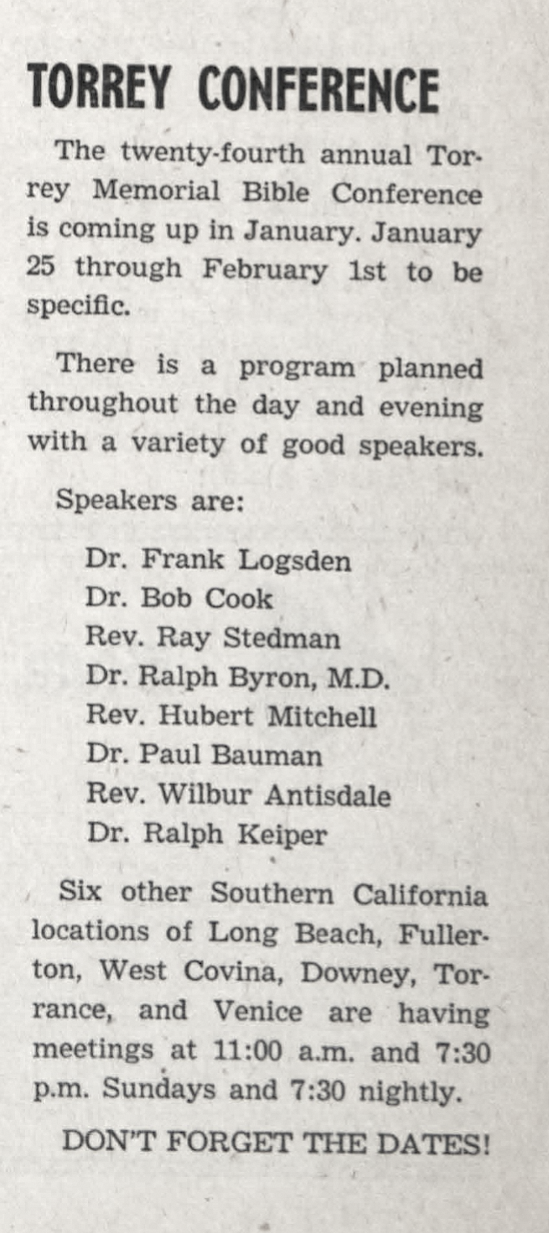
Hubert Mitchell speaker at the Torrey Conference, from the Jan. 1959 Biola Chimes
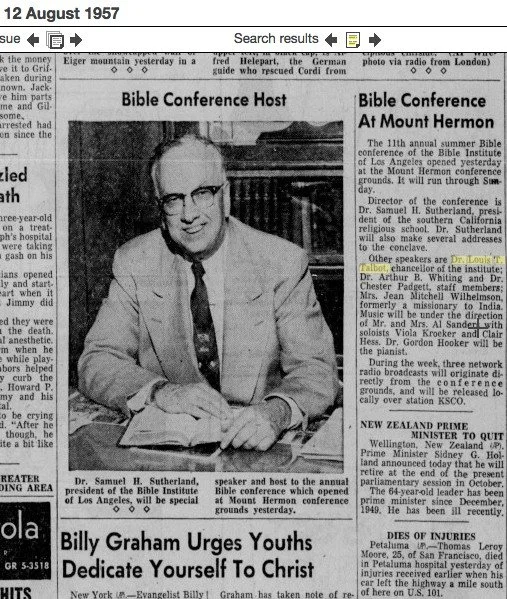
Biola Conference, 1957, speaker Jean Mitchell Wilhelmsen
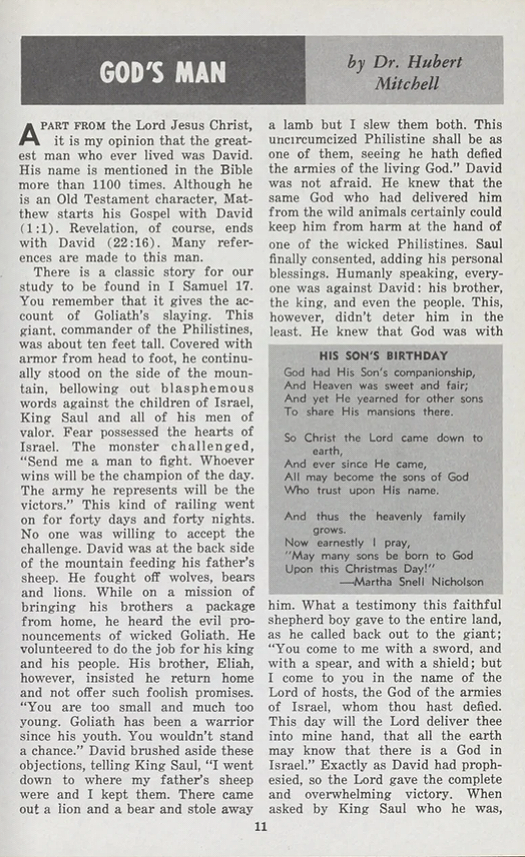
God's Man - article by Hubert Mitchell in the Biola Broadcaster, Jan., 1967 p. 1 of 2
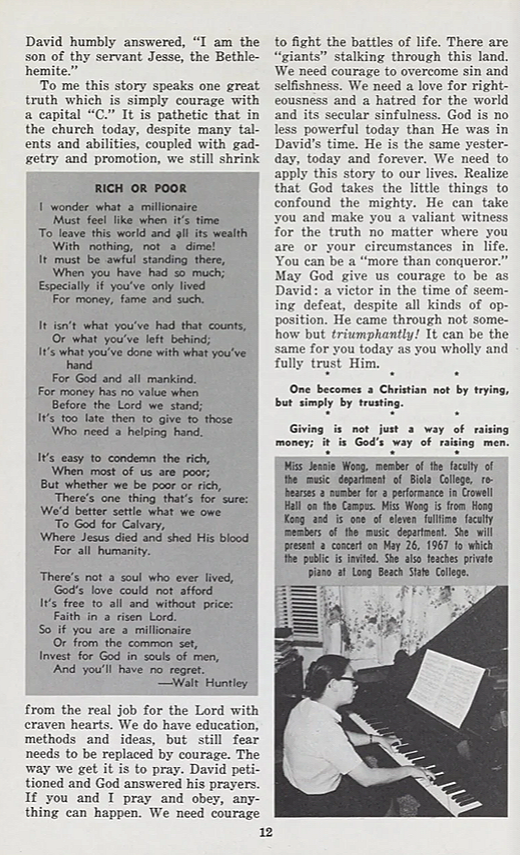
God's Man - article by Hubert Mitchell in the Biola Broadcaster, Jan., 1967 p. 2 of 2
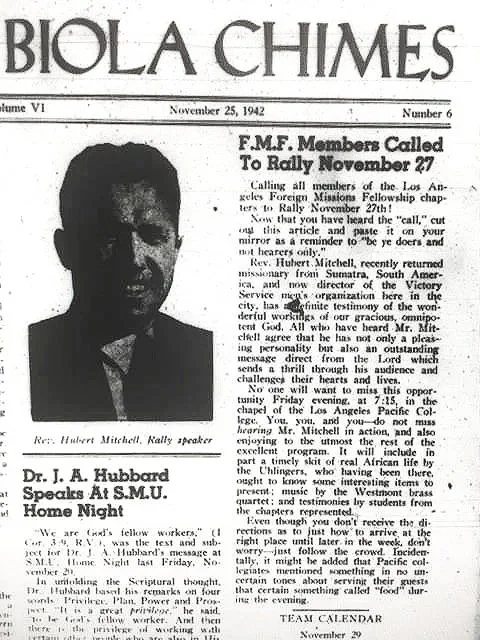
Hubert Mitchell in the Biola Chimes newspaper
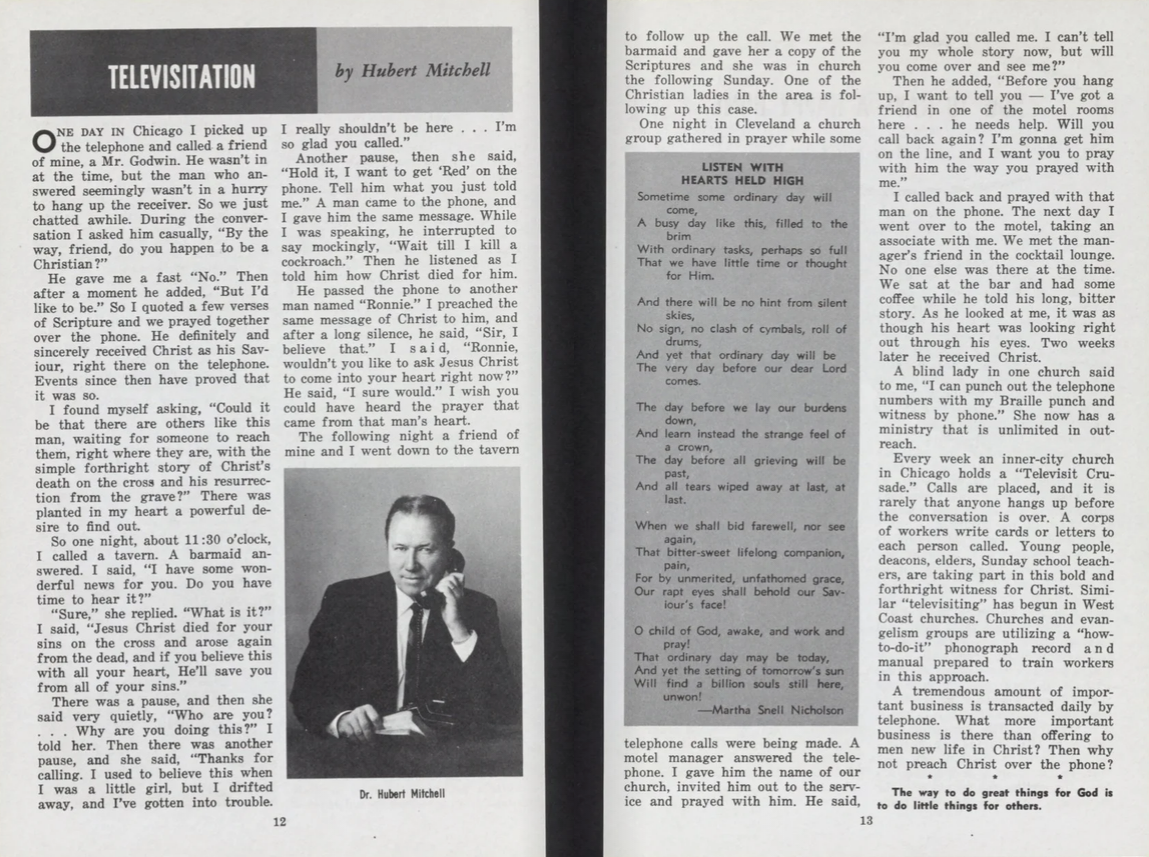
Hubert Mitchell's article on Televisitation for Biola's Broadcaster magazine
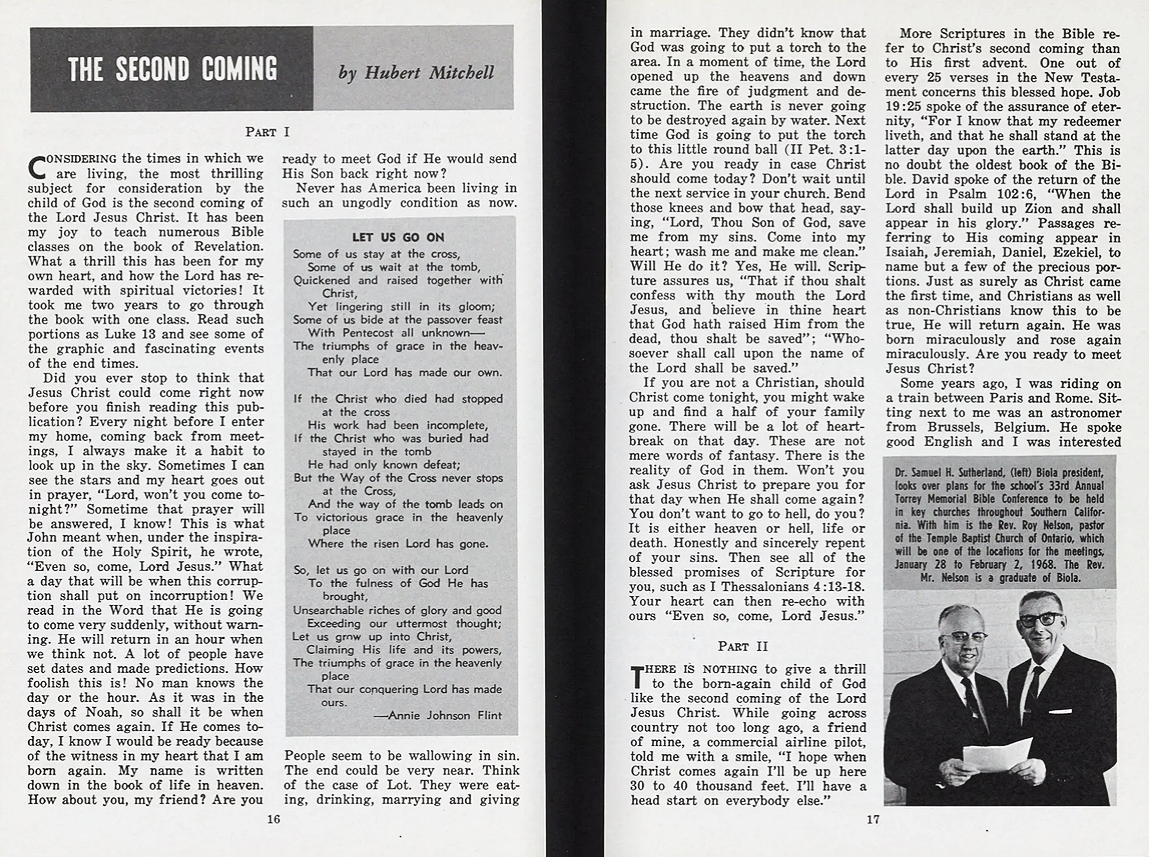
Hubet Mitchell's article on the Second Coming for Biola's Broadcaster magazine
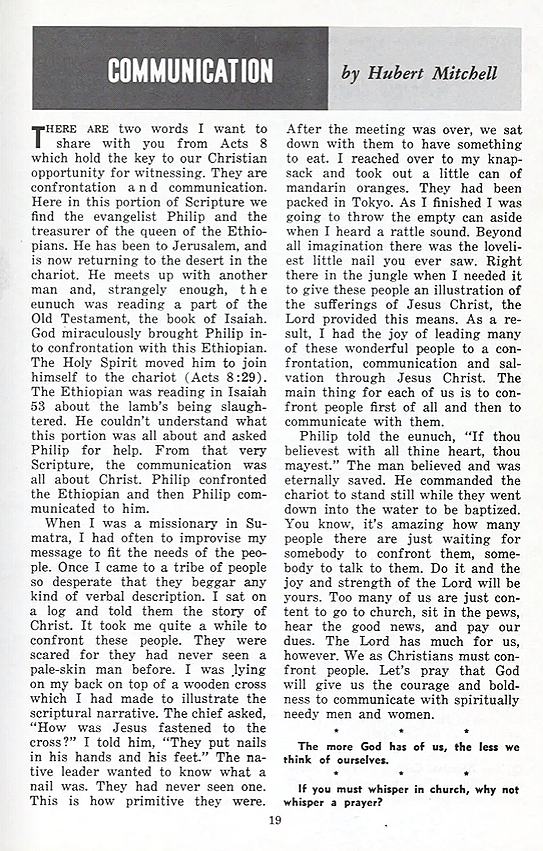
Hubert Mitchell's "Story of the Nail" for Biola's Broadcaster magazine, 1967
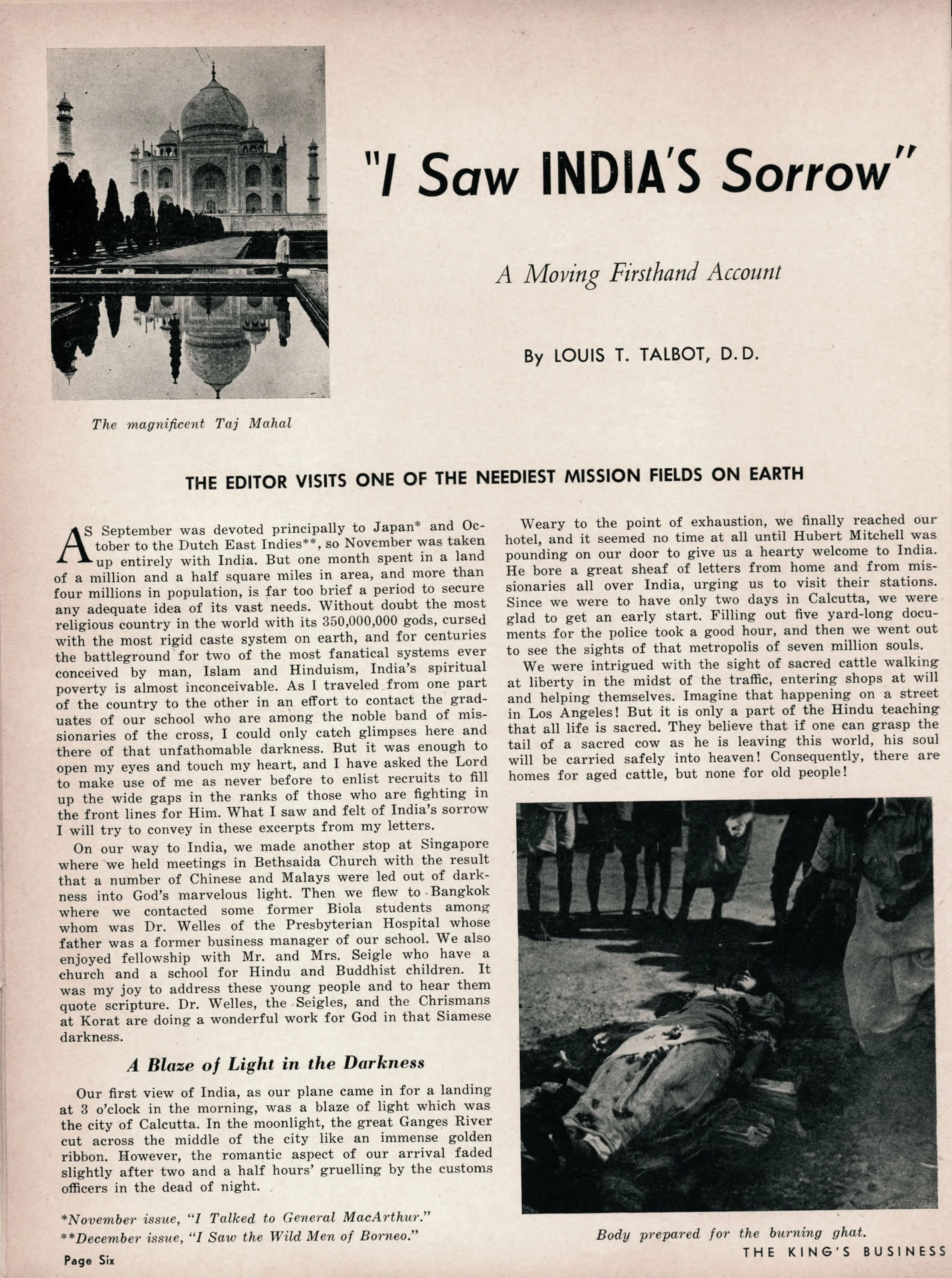
Dr. Louis T. Talbot, Chancellor of Biola, visited India in 1950 and Hubert Mitchell was his host. Click on this image of Dr. Talbot's article about the trip for a PDF of the entire article. At this link see the film of his trip: https://www.youtube.com/watch?v=UNgCgtvlRdw
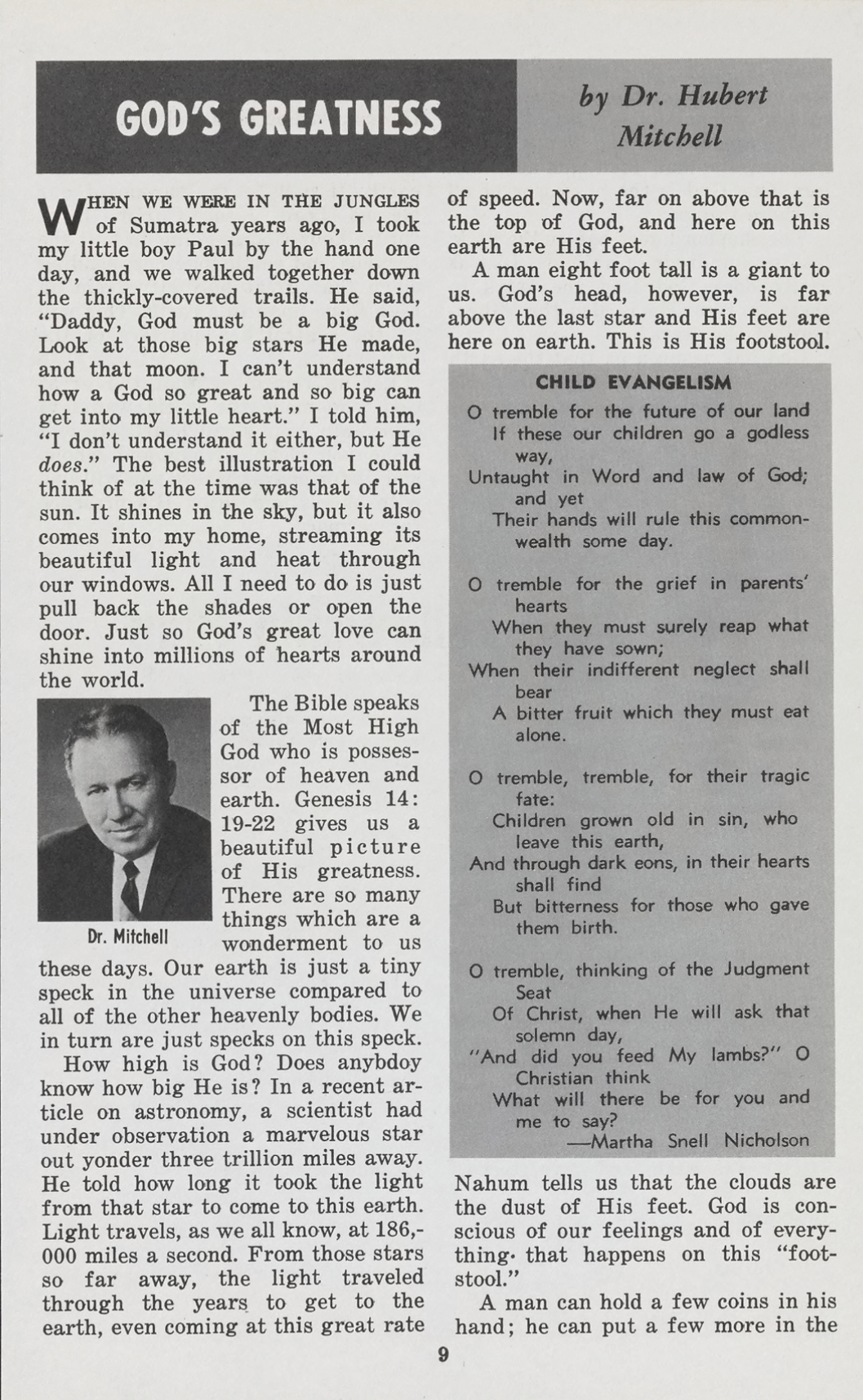
God's Greatness, page 1 of 2, article by Hubert Mitchell for Biola Broadcaster, Jan, 1967
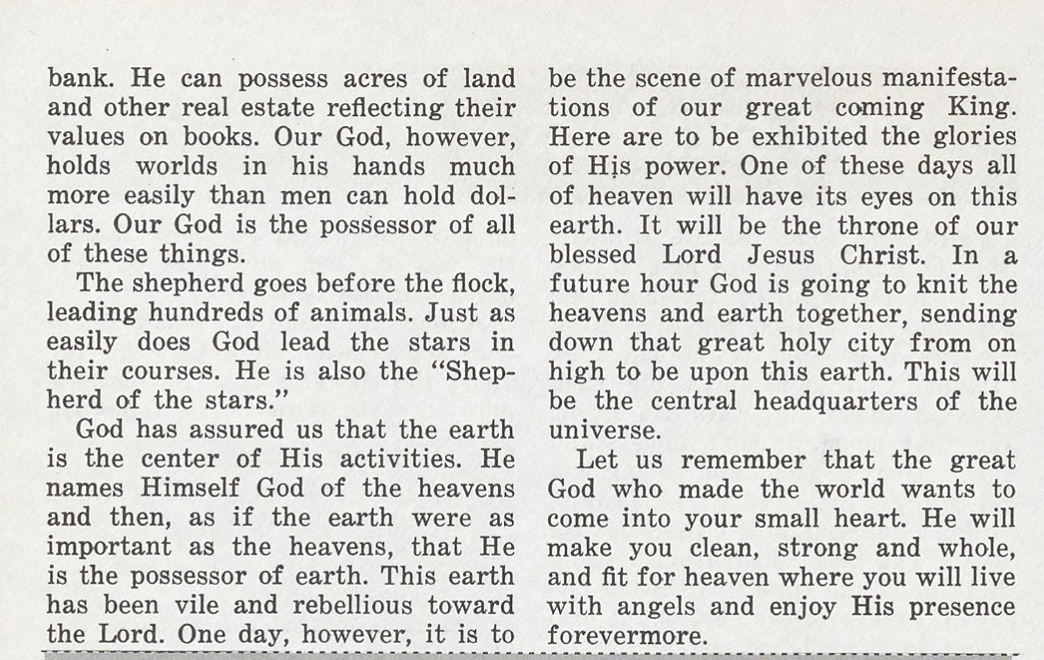
God's Greatness, page 2 of 2, article by Hubert Mitchell for Biola Broadcaster, Jan, 1967
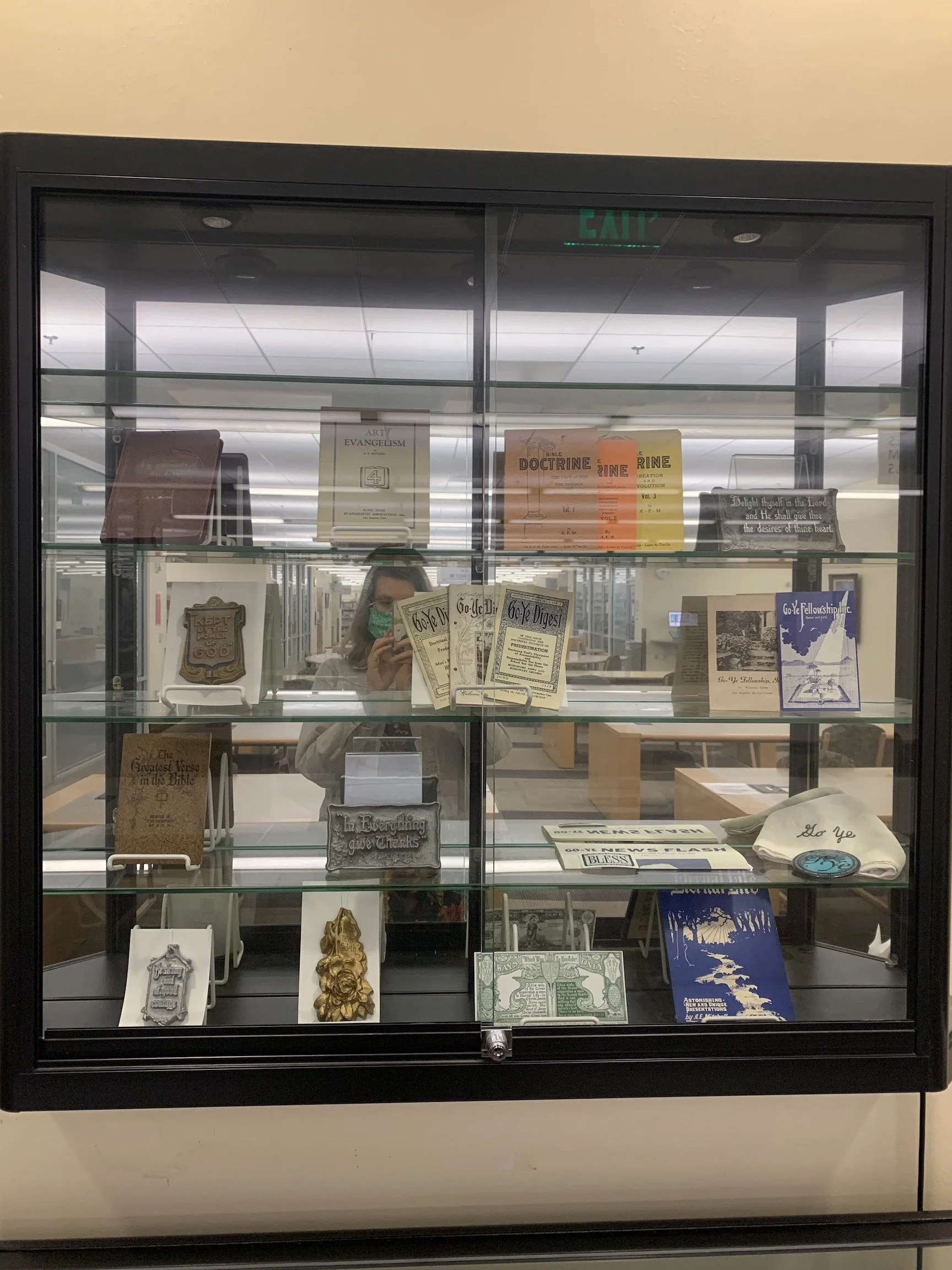
A.E. Mitchell art and writing display in the Biola Library